Sommaire
29°C at 11 a.m., and your suit just died
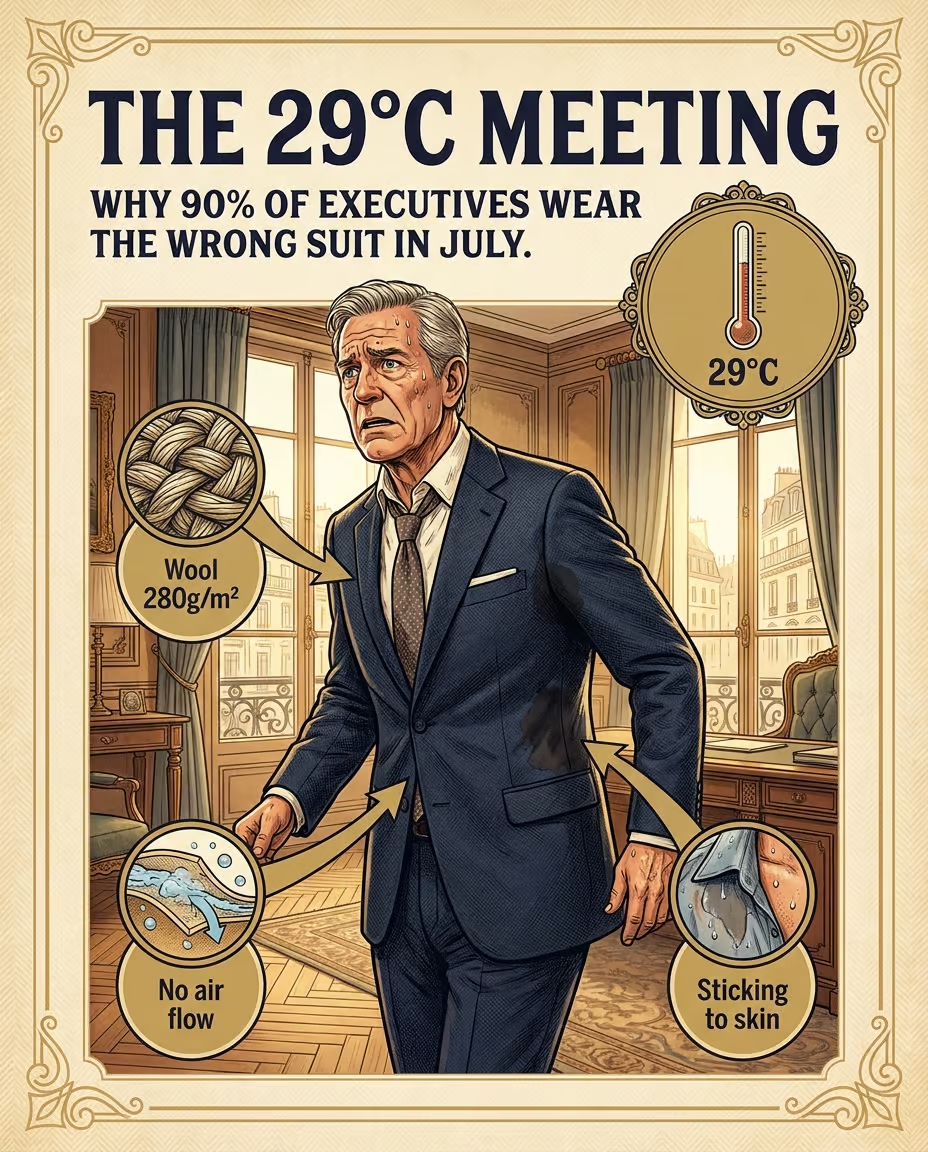
It’s a July day in Paris. You have an 11 a.m. client meeting in the 8th arrondissement. You’re wearing a navy suit in 280 g/m² wool, perfect for the cool season, perfect for 18°C, but today the thermometer reads 29°C at 11 a.m. and 33°C at 2 p.m. You arrive sweating. The fabric is dark with sweat on the lower back. The jacket clings to the shoulders. You greet the client thinking about something other than your file.
The navy suit in 280 g/m² wool is the suit for three and a half seasons. Not July-August. Not a hot May. Not the start of September when temperatures explode in Madrid, Milan, or Hong Kong.
The problem isn’t the suit. It’s the fabric. And 90% of executives wear in June-August a suit calibrated for October-March, because they haven’t bothered to build a summer wardrobe as a distinct category.
The four fabrics that actually hold
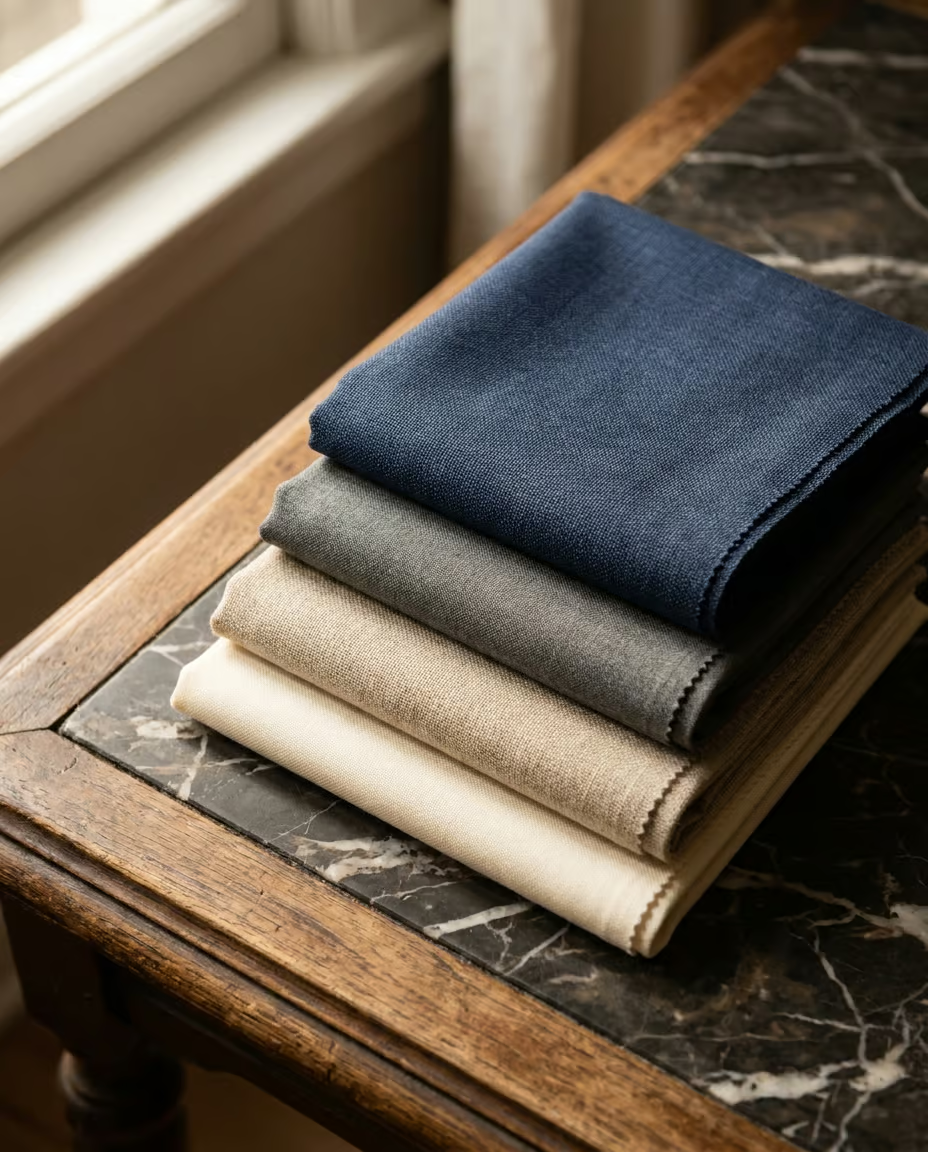
For a suit that works above 28°C, four fabrics hold. Everything else cheats.
Fresco (high-twist wool, open weave)
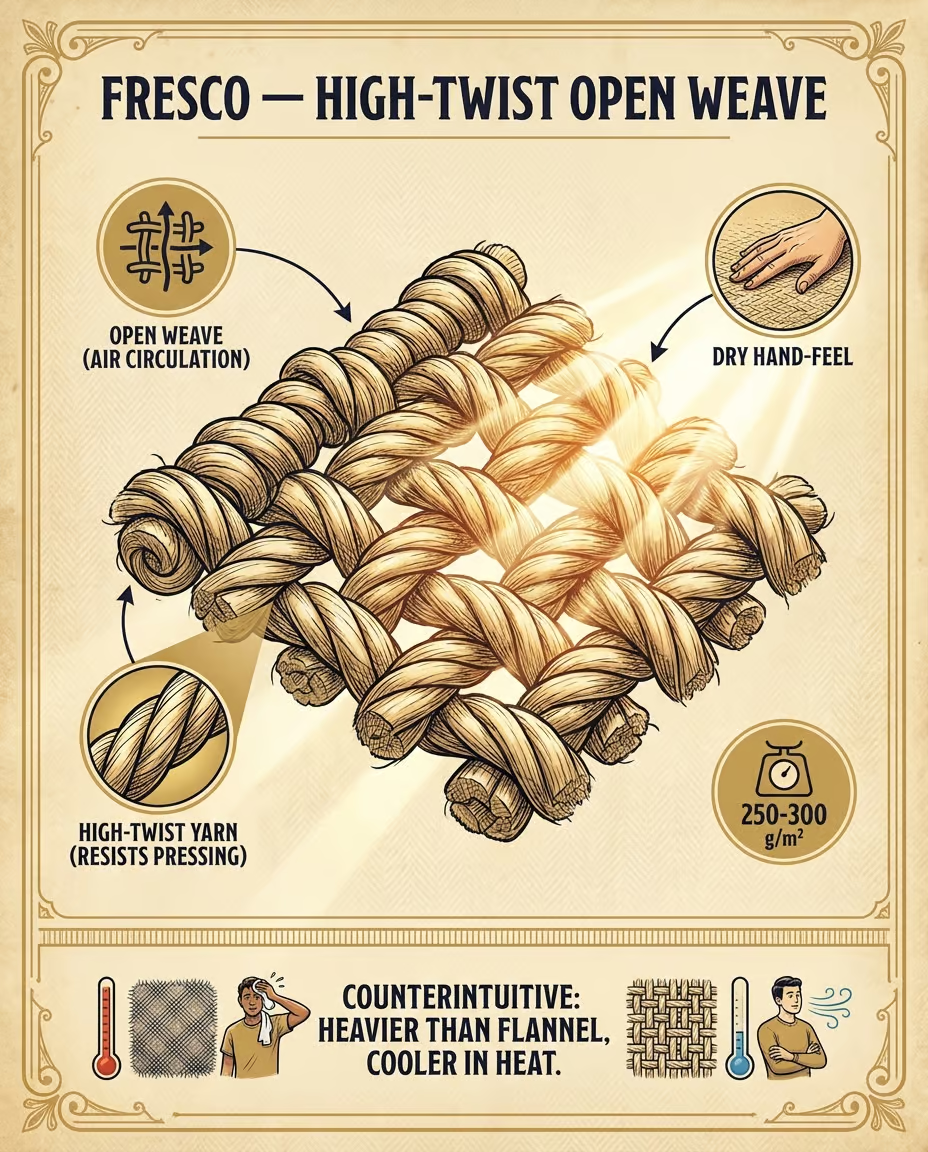
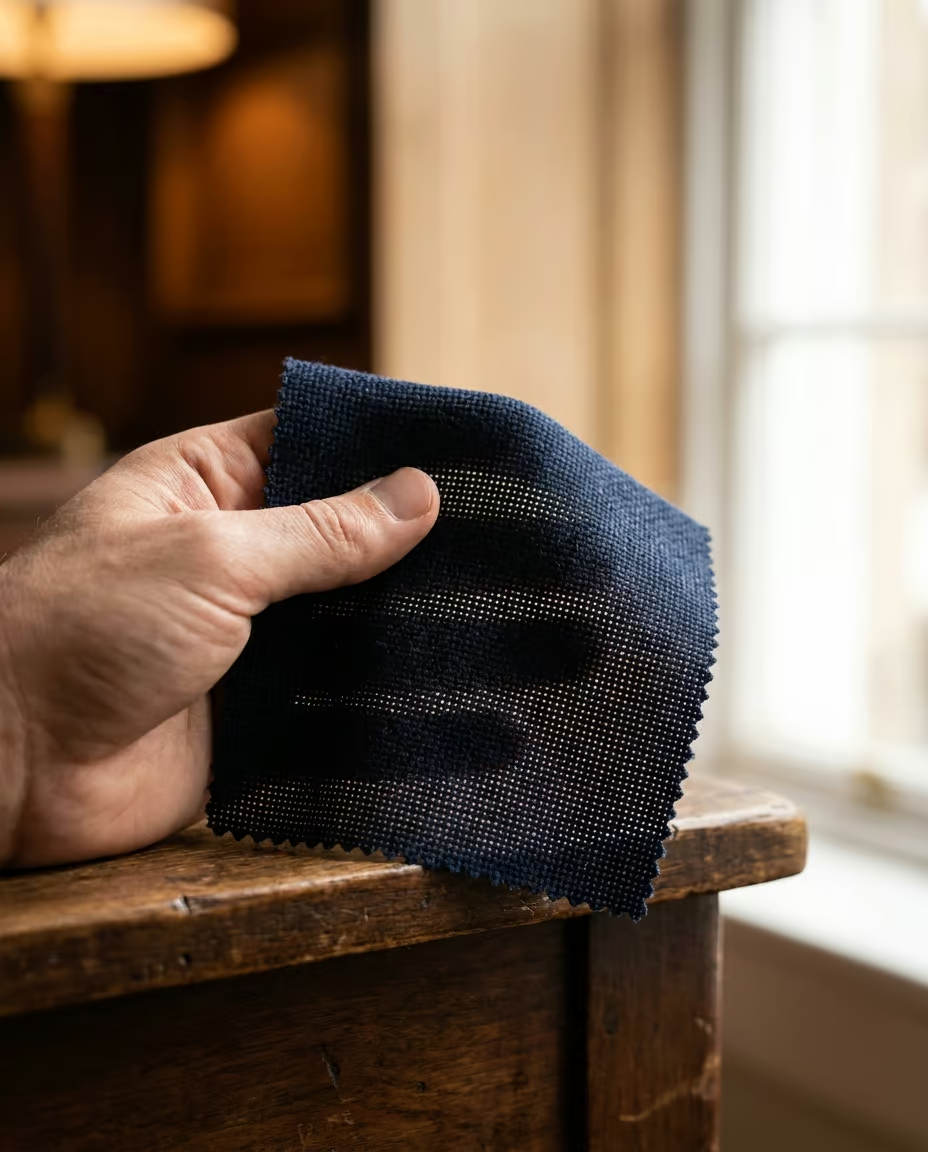
Fresco is a worsted wool with a very twisted yarn, woven with an open weft that lets air through. Dry hand-feel, almost sandy. Grammage 250-300 g/m² (yes, heavier than winter flannel, which always surprises).
Why it works: the strong twist of the yarn keeps the fabric from sticking to the sweating body. The open weave allows air circulation. And wool, which naturally regulates moisture, keeps the fabric dry on the surface even when you sweat.
Drapiers to ask for: Smith Woollens (classic Fresco), Hardy Minnis (Fresco High Wrinkle Resistance), Drago (Sublime Fresco). If your tailor doesn’t know what a Fresco is, change tailors.
It’s the base fabric of any serious summer suit for an executive. Navy, medium grey, prince of Wales, or pinstriped. Holds up to 32°C.
Tropical wool (S110-130, fine worsted)
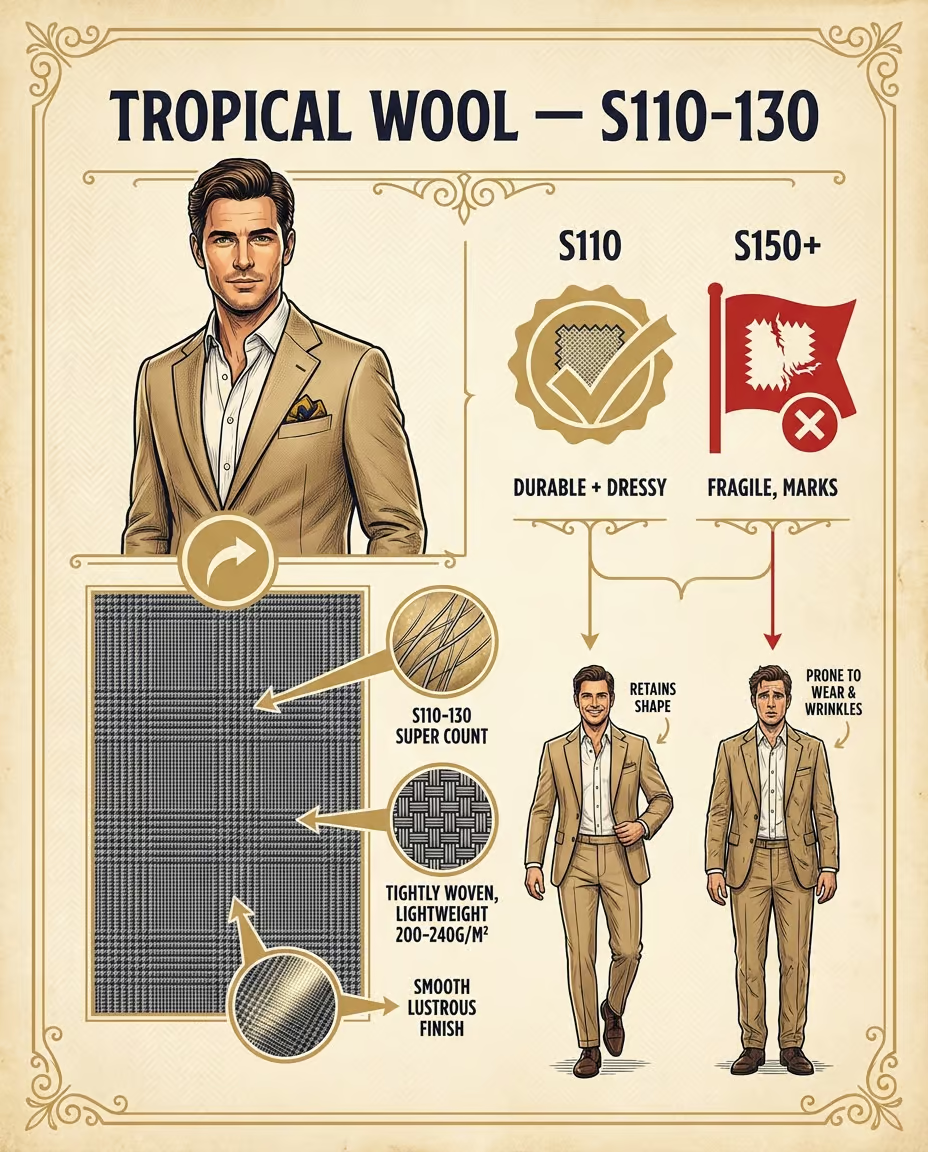
Tropical wool is a fine worsted, tightly woven but in a light grammage of 200-240 g/m². Smooth texture, more fluid than Fresco.
Why it works: light grammage allows real breathing. Tight weave keeps a formal appearance (the suit stays structured). S110-130 strikes the right balance between durability and fineness.
Avoid S150 and beyond: too fragile, marks too much, fatigues after two seasons.
Drapiers: Vitale Barberis Canonico Perennial, Loro Piana Four Seasons, Drapers Italian Tradition. Drago also, slightly more expensive.
This is the fabric of the polyvalent navy summer suit that can also serve late spring and early autumn in temperate climates.
Mohair-wool blend
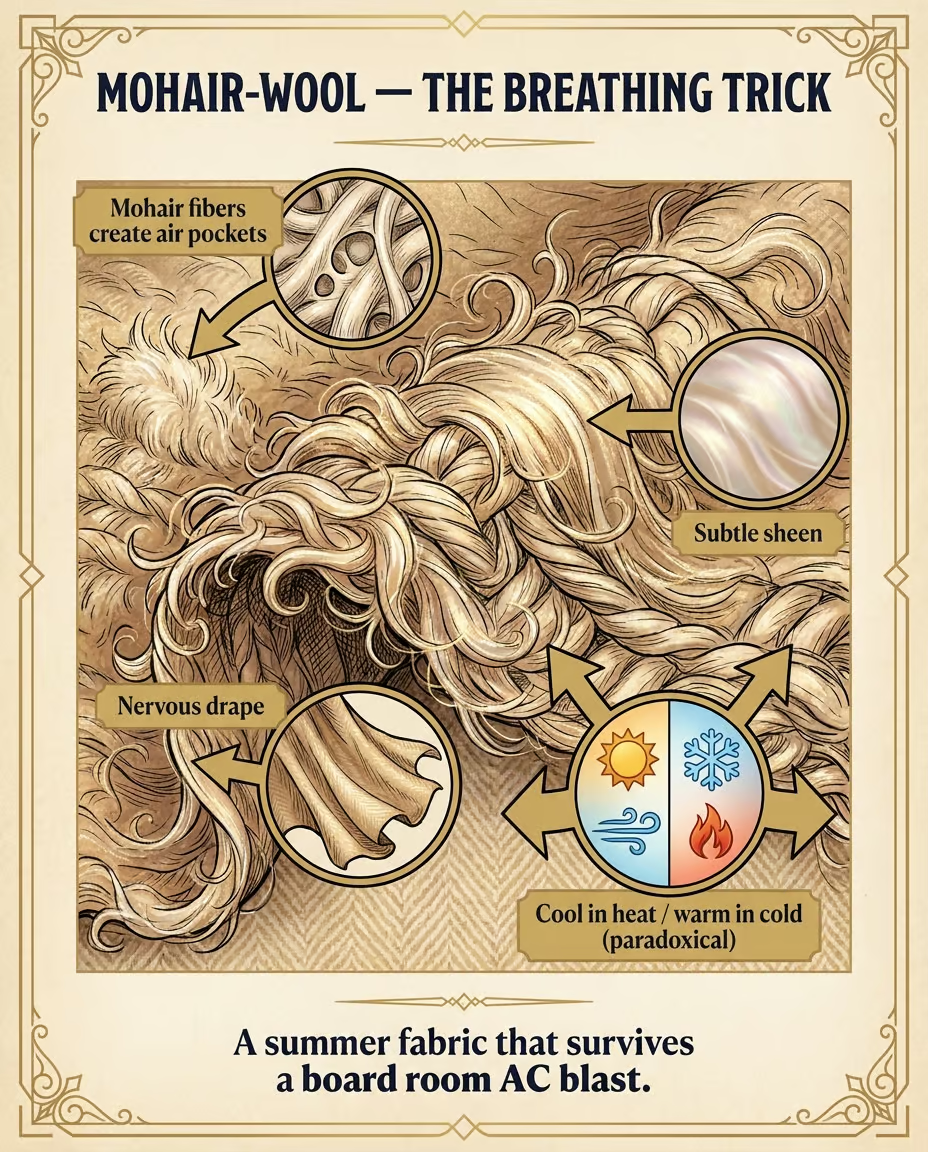
Mohair is angora goat hair, blended with wool to make a suit fabric. Subtle sheen, nervous texture, impeccable drape.
Why it works: mohair fibers maintain a distance between the fabric and the skin, creating an insulating air cushion. Paradoxically, this property makes mohair-wool excellent for warm winter suits AND fresh summer suits depending on grammage and weave density.
For summer, look for 30-50% mohair, 50-70% super 100 wool, in grammage 250-280 g/m². The fabric keeps a formal and shiny appearance that allows the suit to live in full light without looking shabby.
Drapiers: VBC Lord Cordone, Drapers Mohair Wool, Loro Piana Royal Drape.
Frescolana (wool / high-twist wool blend)
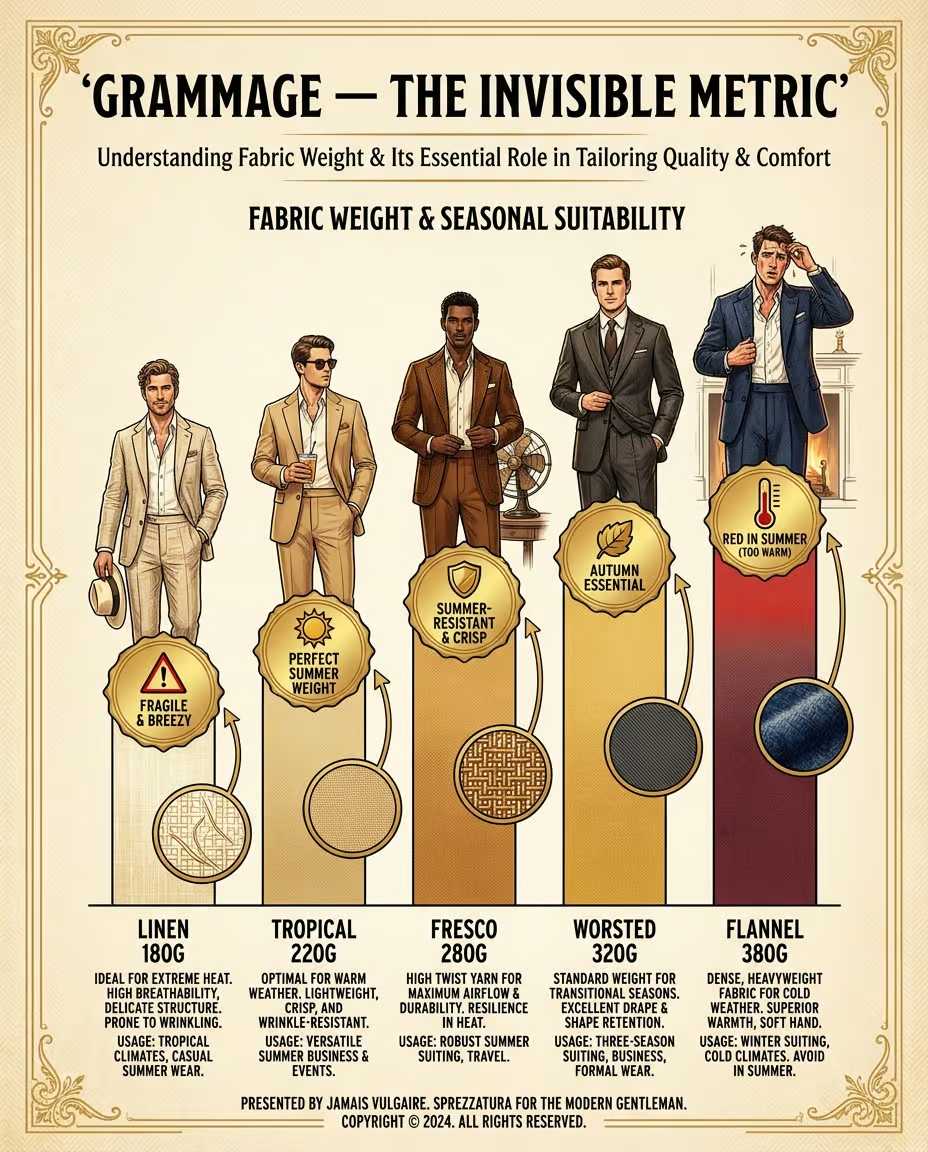
A variant of Fresco, slightly softer, woven by Italian drapiers in higher grammages. A compromise between classic Fresco and tropical wool.
Why it works: durability of Fresco plus drape of tropical wool. It’s an accessible luxury fabric that senior executives are starting to know.
Drapiers: Vitale Barberis Canonico Frescolana, Reda Active Wool, Drapers Lana Fresca.
The four fabrics that betray you
Now the traps. Fabrics that look like « summer fabrics » but don’t hold up.
Pure linen
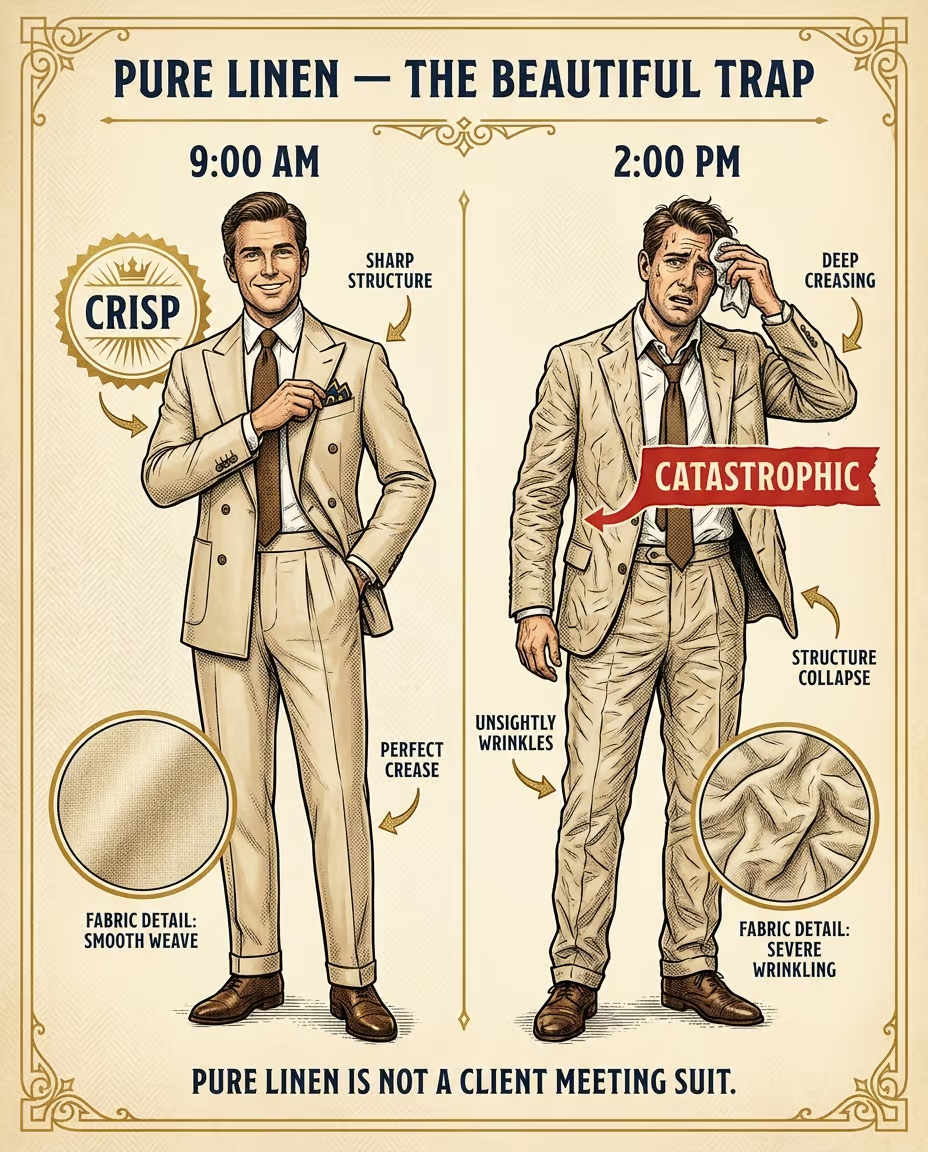
Linen is the default summer fabric in the collective imagination. Mistake. Pure linen creases at every fold. It comes out of the plane, the chair, the car looking exhausted. For a client meeting suit, pure linen says « I didn’t think my suit would spend the day sitting. »
Linen has its place: in shirts, in blazers, in casual trousers for the weekend. Not in client suits.
If you want linen, take a linen-wool blend (50/50) that keeps the linen aesthetic without the catastrophic fatigue.
Classic seersucker
Seersucker is striped puckered cotton. Visually interesting but visually very « Americana 1960s, » which in serious European business contexts barely passes the client meeting test.
Reserve seersucker for weekends, creative events, the Côte d’Azur villa. Not the office.
Synthetic-blended light wool
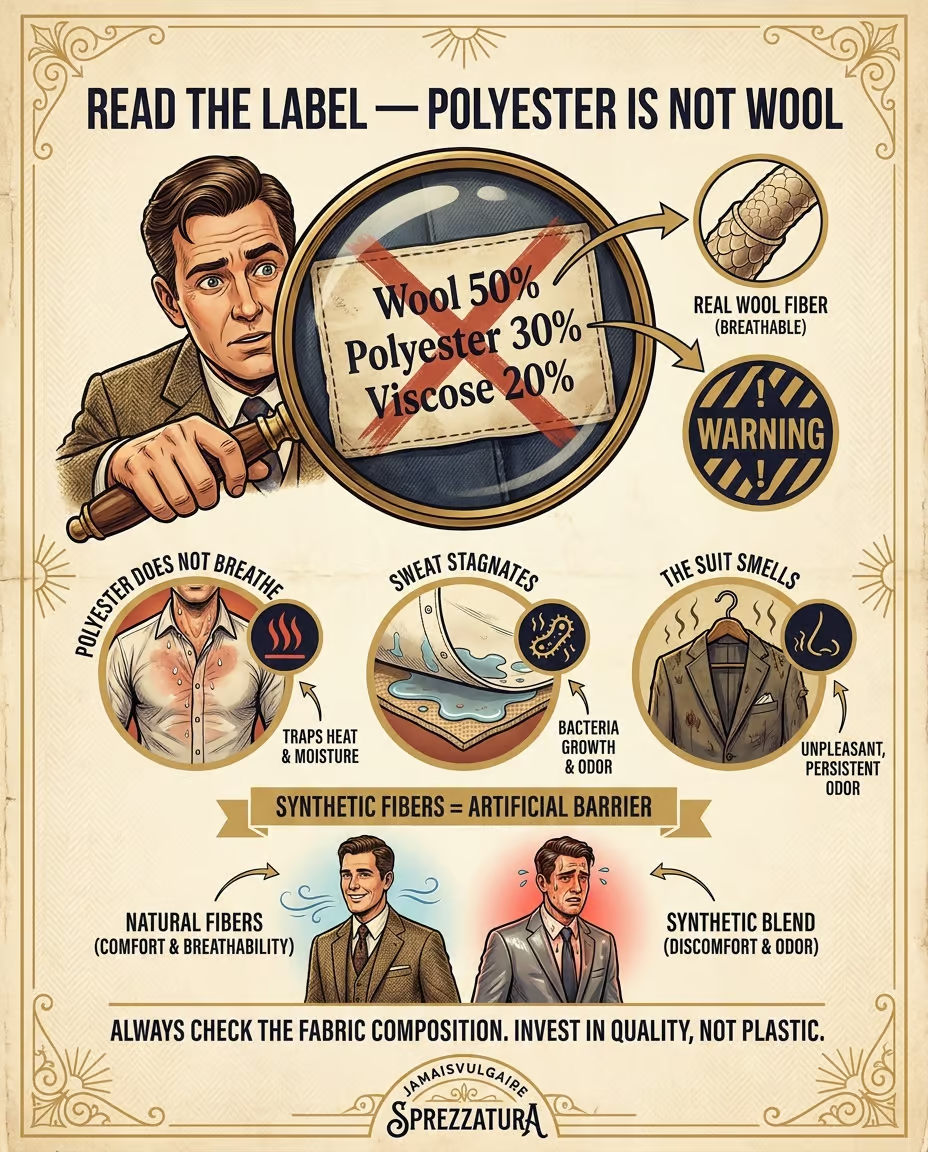
A « summer » suit at €350 from chain stores: Wool 50% / Polyester 30% / Viscose 20%. Polyester does not breathe. Sweat stagnates. The fabric takes on an odor in two wears.
Read the label. If polyester or viscose exceeds 5%, it is not a summer suit. It is a marketing suit.
Cotton alone
100% cotton in a suit (chino-suit) is uneven. It marks, it deforms, it stays a bit cheap visually even when well-cut. Some special cases hold (high twill cotton, certain heavy poplins), but it’s an exception, not a rule.
If you want cotton, take it as chino + blazer (two separate pieces). Not as a suit.
The colors that work in summer
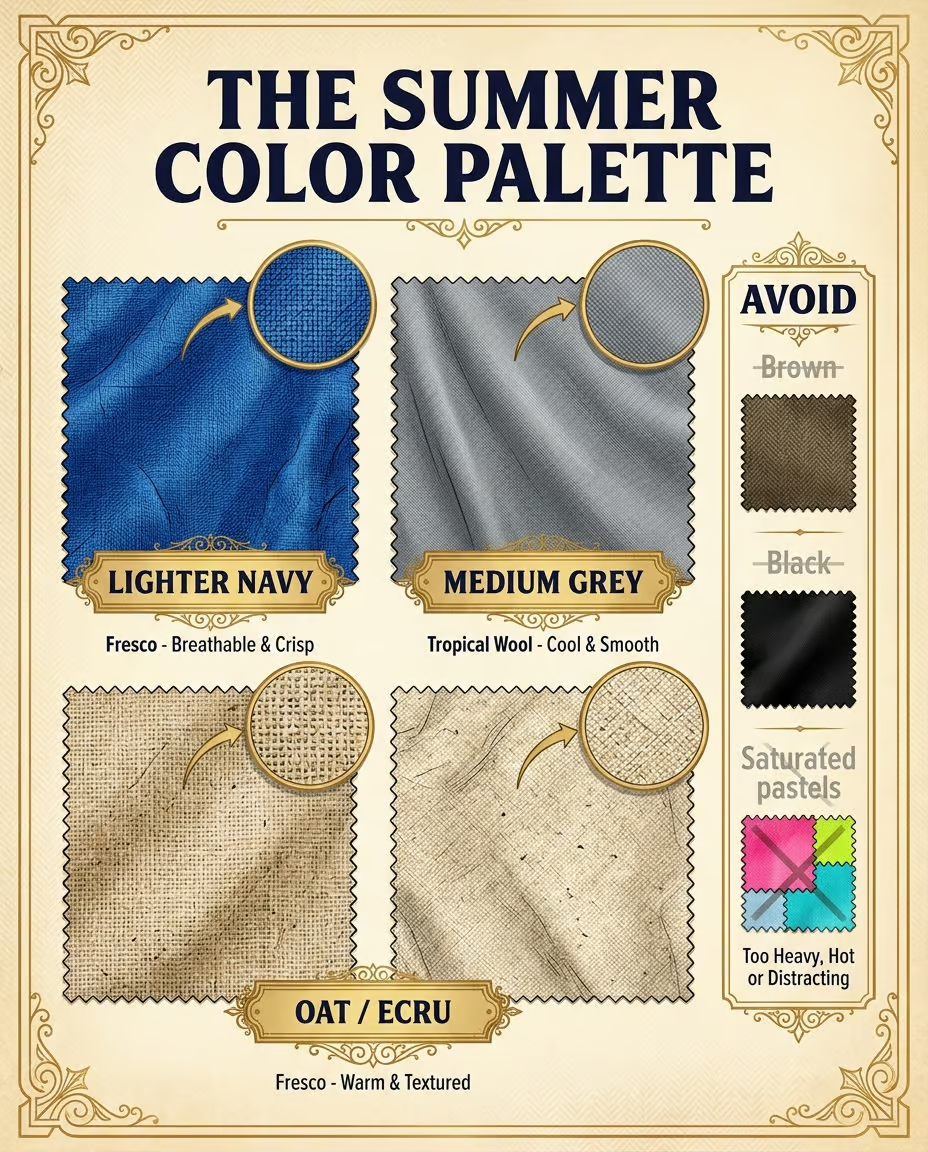
The color of a summer suit isn’t the same as a winter suit. Three palettes that work.
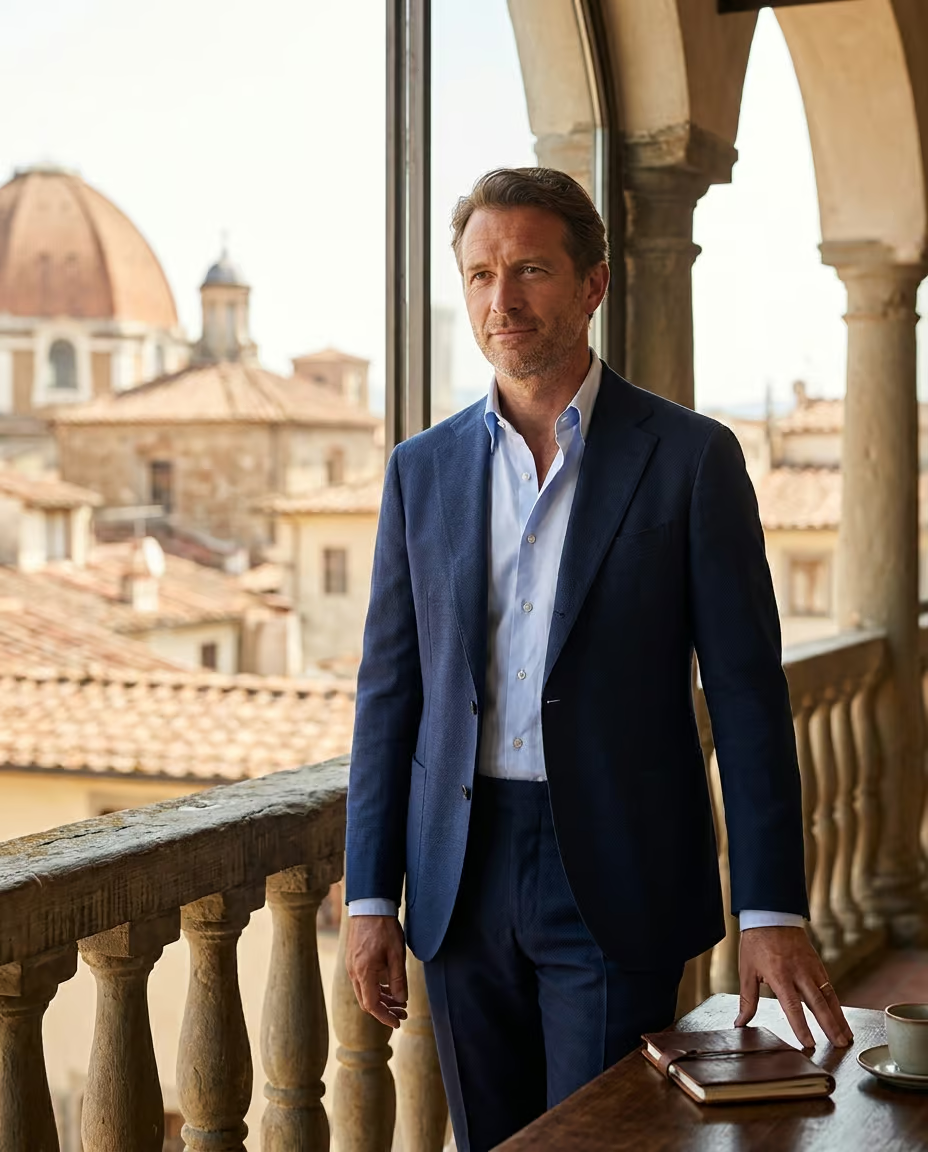
Lighter navy. More blue, more saturated, more breathable than the winter near-black navy. It’s the navy Italians wear in Milan in June.
Medium grey. Neutral, visually fresh. Works in client meetings as in summer ceremonies.
Light beige or ecru. Riskier (few men know how to wear it), but magnificent for summer events and Mediterranean travel. Reserve for contexts where you know the dress code accepts light colors.
Avoid: brown in summer (heavy), black in summer (sauna effect), and pastel suits (powder pink, saturated sky blue) that don’t pass beyond the villa.
How to audit your current summer suit

If you’re reading these lines in June and you’re currently wearing a « summer » suit bought three years ago, here’s the audit in five questions.
What is the composition? If more than 5% polyester or viscose, it’s no. If 100% wool, check the rest.
What is the grammage? Take out your kitchen scale, weigh one of the trousers (without lining or buttons). Compare to surface area: 250-280 g/m² = correct for summer. 320 g/m²+ = winter suit mislabeled.
What is the weave? Hold the fabric to the light. If light passes slightly through in patches, you’re on serious Fresco or tropical wool. If nothing passes, it’s a closed weave, so a winter suit.
How does the fabric react after a day of wear? Creases that disappear by hanging the suit = fabric that holds. Creases that stay = fatigued fabric.
How do you feel at 2 p.m. in a meeting at 30°C? The answer is subjective but accurate. If you’re uncomfortable, it’s not you. It’s the fabric.
The Sprezzatura diagnostic for the season
Choosing a summer suit requires crossing the climate of your professional life (Paris vs Singapore vs New York), your morphology (sweat doesn’t distribute the same way on every body), and your meeting profile (formal M&A client vs creative pitch).
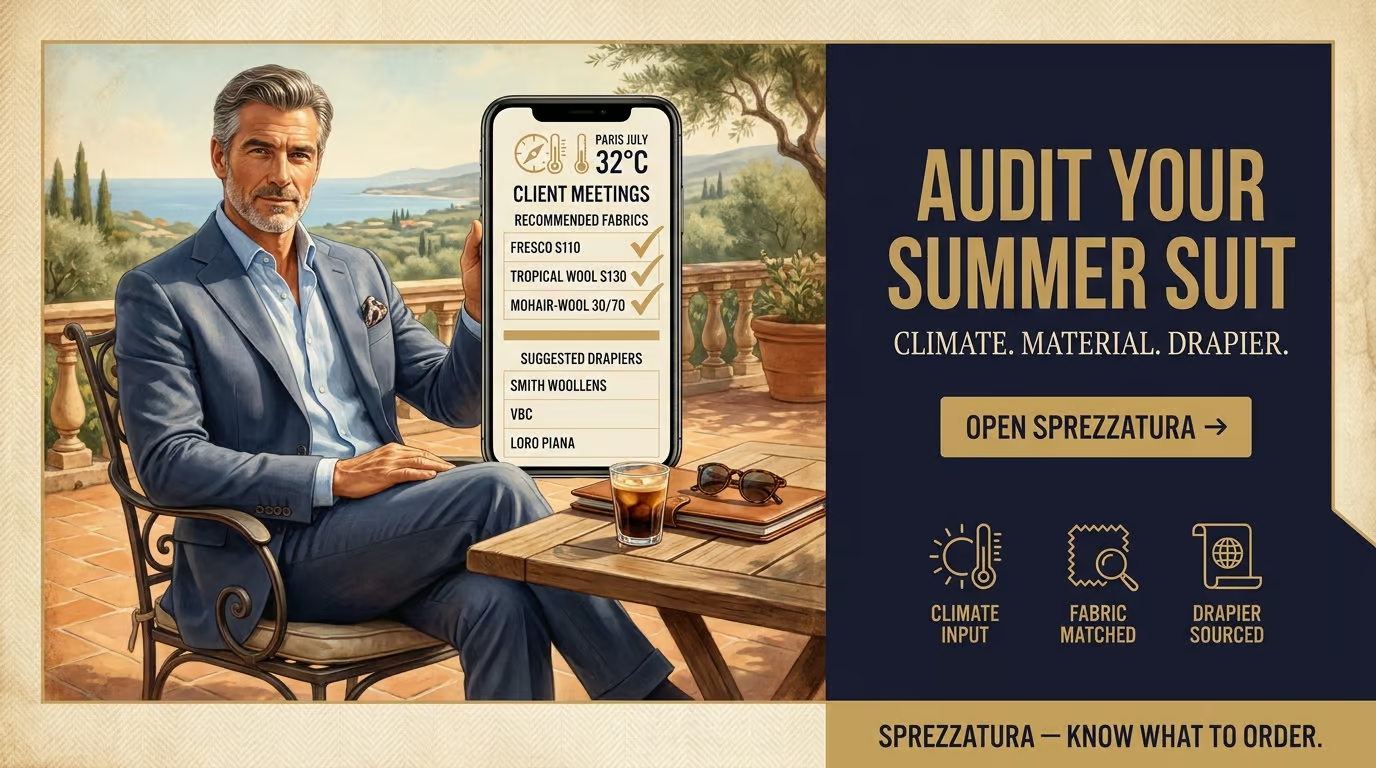
Sprezzatura offers a Tailoring diagnostic that takes these variables into account and proposes the materials, colors, cuts, and drapiers adapted to your case. You arrive at your tailor knowing what you’re looking for. You no longer leave with the suit the salesperson preferred to sell.
Summer is the season where fabric mistakes are most visible. It is also the season when strategic meetings happen (fiscal closings, conferences, June board meetings). Investing in a real summer suit is an investment with immediate ROI.
Pour bien s'habiller, il faut comprendre le vêtement, mais aussi la marque et sa stratégie.
- Seiko Prospex PADI 60th Anniversary HBB002 : la plongeuse anniversaire reste sous les 800 $ - 08/06/2026
- Seiko Prospex PADI 60th Anniversary HBB002: Der Jubiläumstaucher bleibt unter 800 $ - 08/06/2026
- Seiko Prospex PADI 60th Anniversary HBB002: el buzo del aniversario se queda por debajo de los 800 dólares - 08/06/2026