Sommaire
7:50 a.m. You leave. You know something is off
This client matters. Not a routine meeting. A three-million-dollar closing, a partnership signature, the board where your file goes through this quarter. You spent two weeks preparing. Slides locked. Numbers anticipated. Three objections already neutralized in the appendices.
You glance in the hallway mirror. Burgundy tie. White shirt. The jacket falls correctly. And yet, something is off. You can feel it without being able to verbalize it. You check your watch. 7:52. You leave.
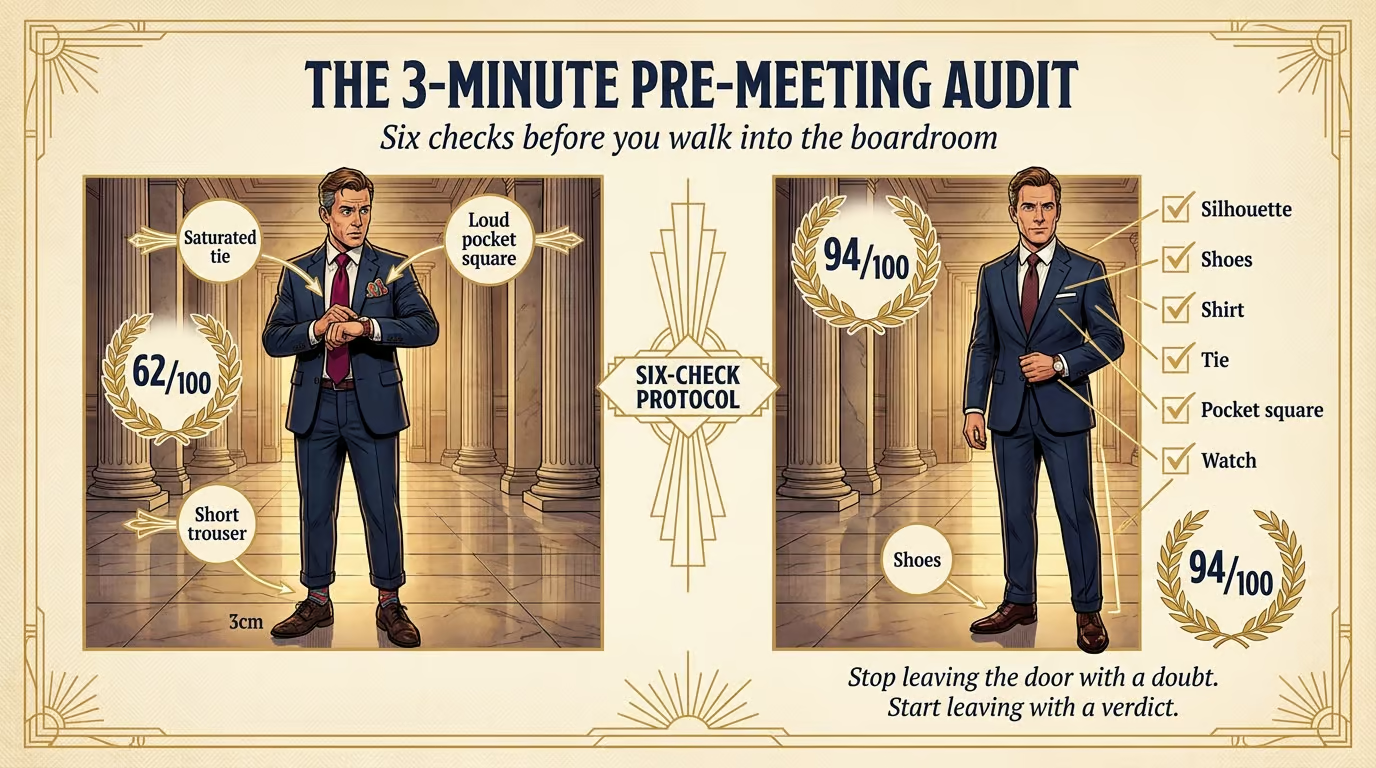
Three hours later, in the meeting room, you have your confirmation. The tie was too saturated for this institutional client. The trouser was two centimeters too short. And the gap between your level of preparation and your level of presentation cost you something. Not the deal. But the authority you would have wanted to project during the first twenty seconds.
This story happens to a French senior executive at least once a month. It happens because the morning decision window is too short, because the observation hierarchy is inverted, and because the context is never parameterized.
Why morning audits almost always fail
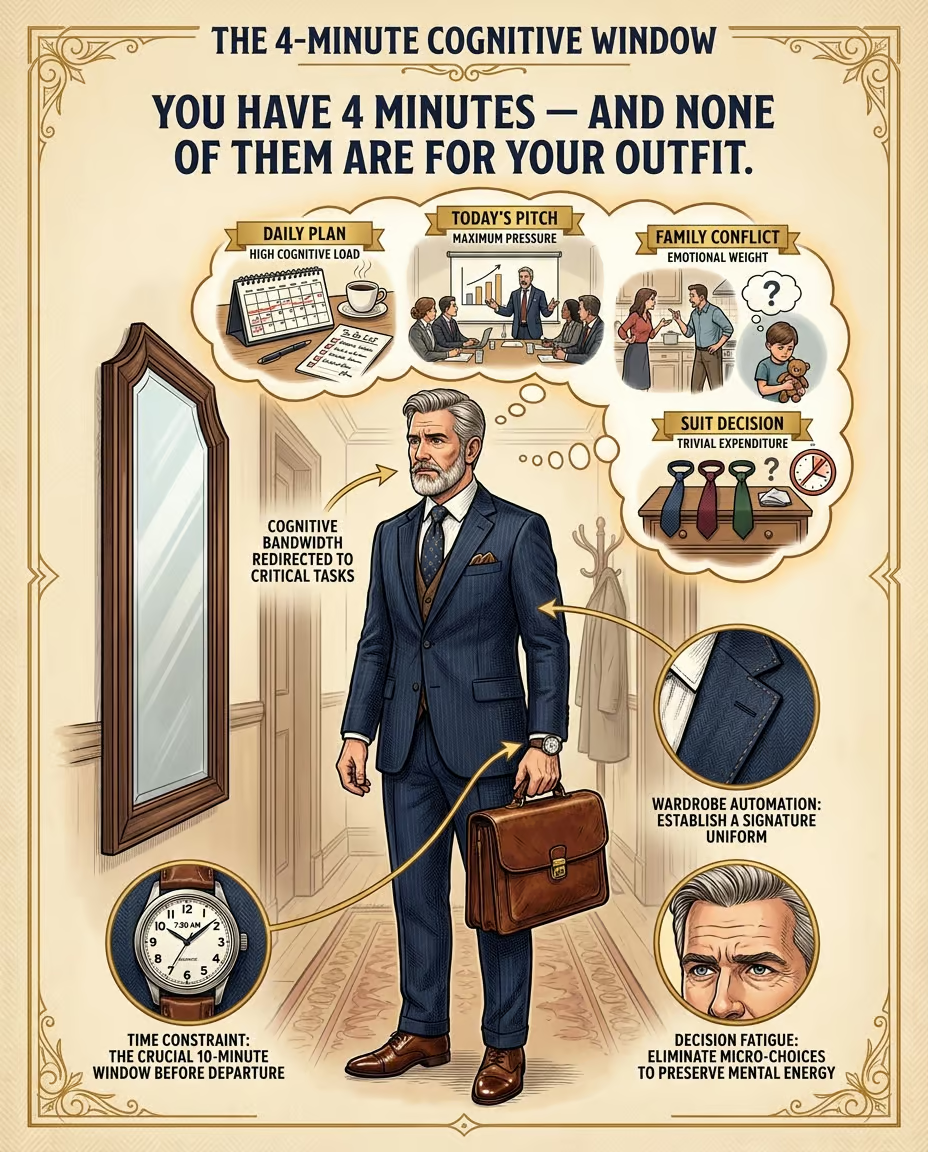
You have, on average, four minutes between glancing in the mirror and leaving. Those four minutes are mobilized by other mental tasks: planning your day, anxiety about the file, residual family conflict. No attention is available for a conscious audit.
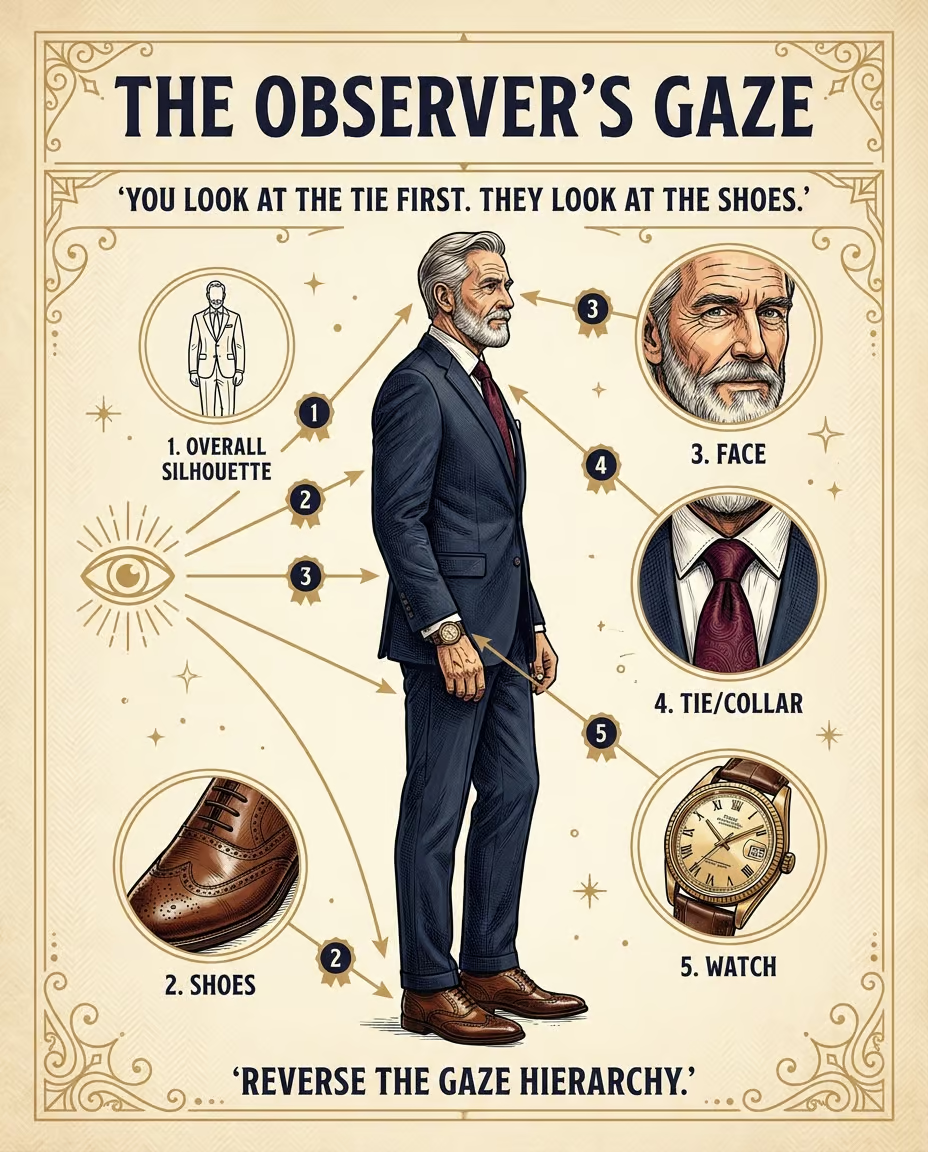
Worse, you look at the tie before the jacket. The shirt before the trouser. Shoes are forgotten. That is the inverse of how others observe you: they look first at the overall silhouette, then at the shoes, then at the face, then at the tie. You correct what has no impact, and you leave what does.
Let’s be direct. The average French executive fails his morning audit because he refuses to admit he doesn’t actually know how to dress. It’s a question of pride, not time. Nobody reads the menswear classics, nobody asks a tailor. We learn alone, by being wrong for twenty years, while believing we have the eye. The majority does not. That’s not a critique. It’s an observation made on the LinkedIn profiles of 200 senior French executives this past week.
And you wear the same outfit for an M&A closing with a London firm and a pitch at a US-based VC. Those are opposite dress codes. The outfit that projects authority for one projects coldness for the other. Most senior executives never parameterize the context. They dress on instinct, which in practice means they dress identically everywhere.
An audit that works needs three properties. It must be parametric (context defines the target), hierarchical (in observation-impact order), and time-boxed (three minutes maximum, otherwise it doesn’t happen).
The method: six checks, in order
The order is not negotiable. It follows the order in which others observe you, not your intuitive order.
The 3-meter silhouette
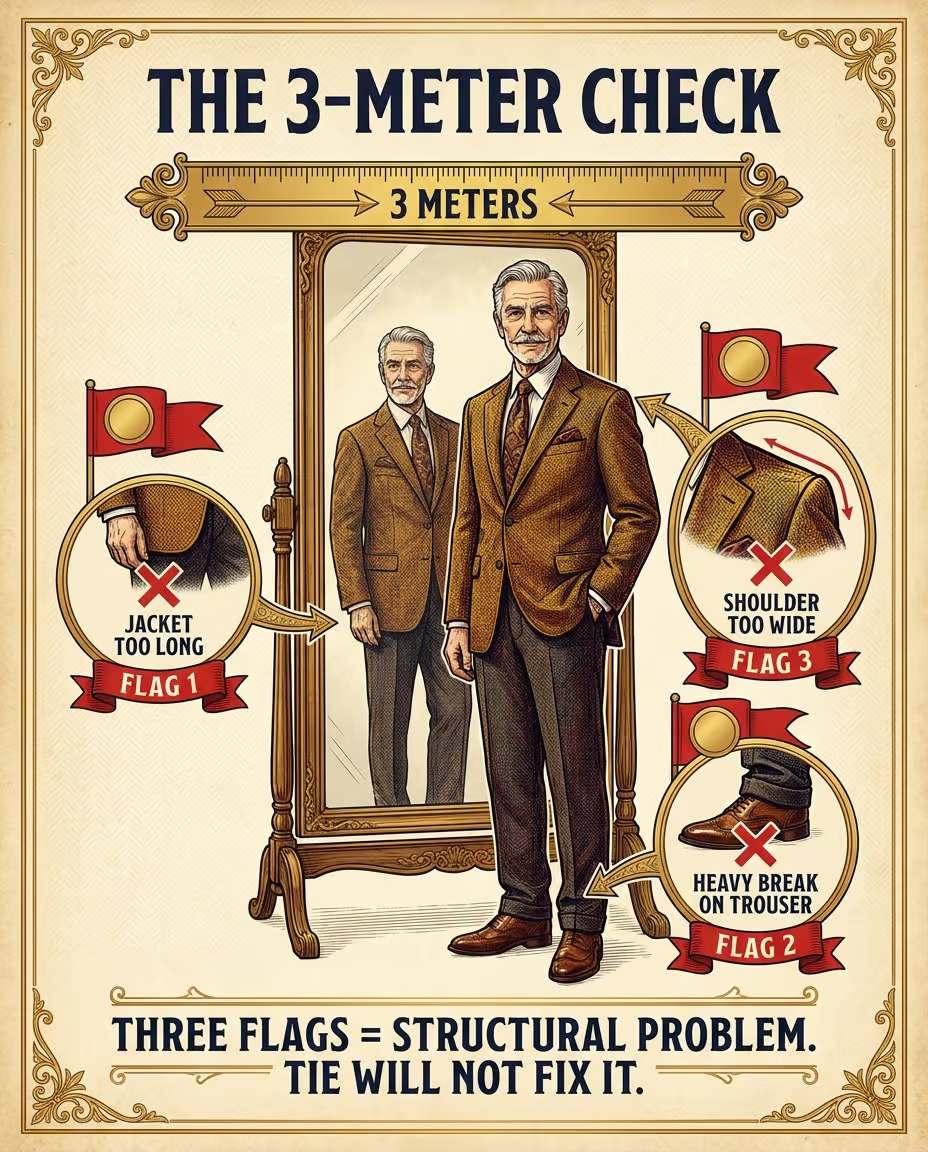
Step back three meters from a full-length mirror. If you don’t have one, take a full-body photo with your phone held by a partner, or set up a timer on a shelf. Look at the photo once and only once.
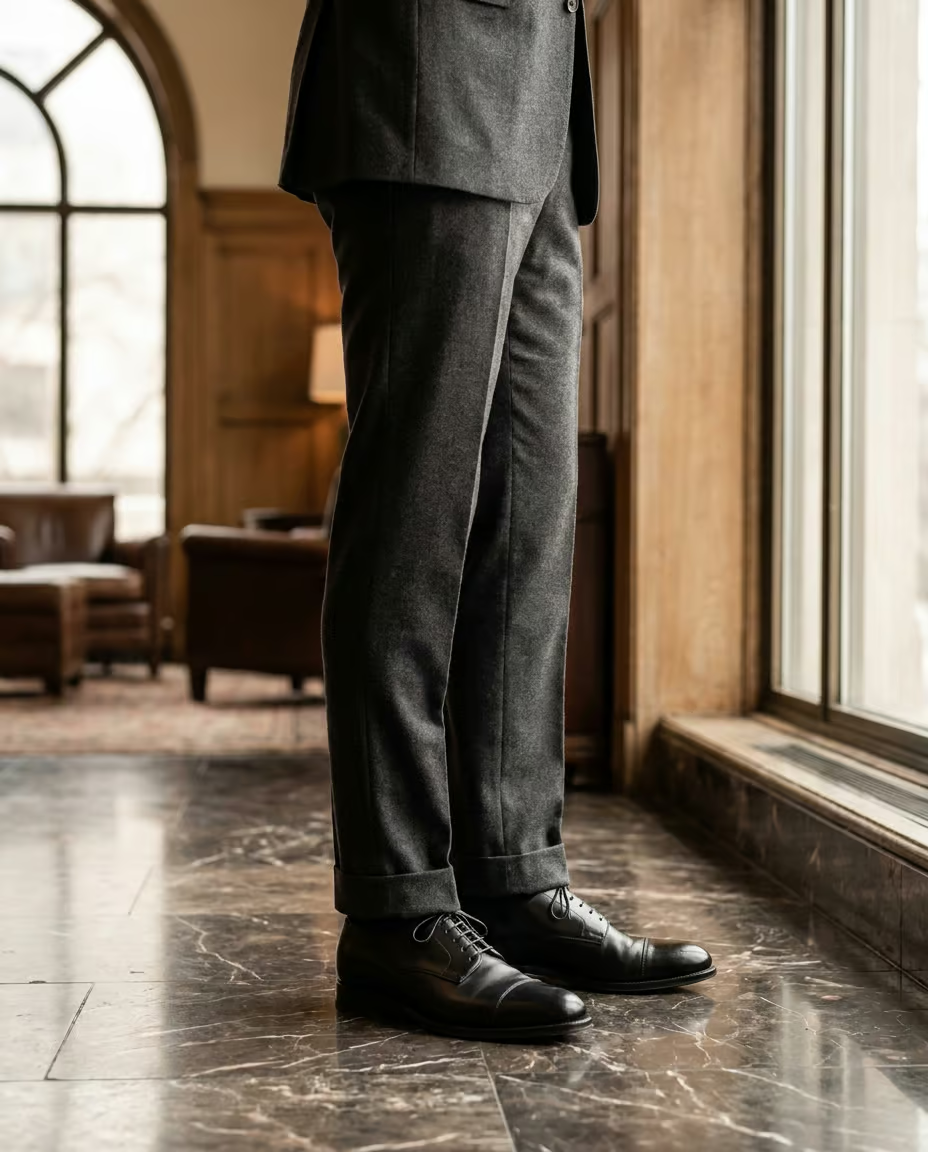
You’re scanning for silhouette coherence. Three instant red flags. Does the jacket extend more than three centimeters past the hips? Too long. Does the trouser break more than half a break on the shoe? Too long. Does the jacket shoulder fall lower than your actual shoulder bone? Too wide.
If you see any of those three signals, you have a structural problem. The tie is not going to fix it.
The shoes
The observer’s second glance goes to your shoes. Not your face. Not yet. Three criteria: formality, polish, color.
For formality: cap-toe Oxfords or derbies for an institutional meeting. Loafers or monks for a VC or tech setting. Boots stay home unless the dress code is explicitly relaxed.
For polish: if the shoe hasn’t been buffed in the last seven days, that’s a problem. You can polish in four minutes in the morning. The time-to-impact ratio is unbeatable.
For color: brown for a creative or tech meeting, black for a financial closing or law firm. Reversal is a minor signal, but a readable one.
The shirt

The shirt frames the face. Three points to check.
The collar should rise at least one centimeter above the jacket collar at the back. You verify it in profile in the mirror. If you can see your t-shirt collar, change shirts.
The cuff should peek out from the jacket sleeve by one to two centimeters. Quick check, arms extended. A short cuff means the jacket is too wide or the shirt is poorly cut.
Color. White for maximum formality. Light blue for moderated formality. Blue stripe for neutral. Other colors (gingham, burgundy, green, pink) only work in specific contexts. When in doubt, light blue carries no risk.
Tie or no tie
The tie is the main modulation lever. Binary decision in fifteen seconds.
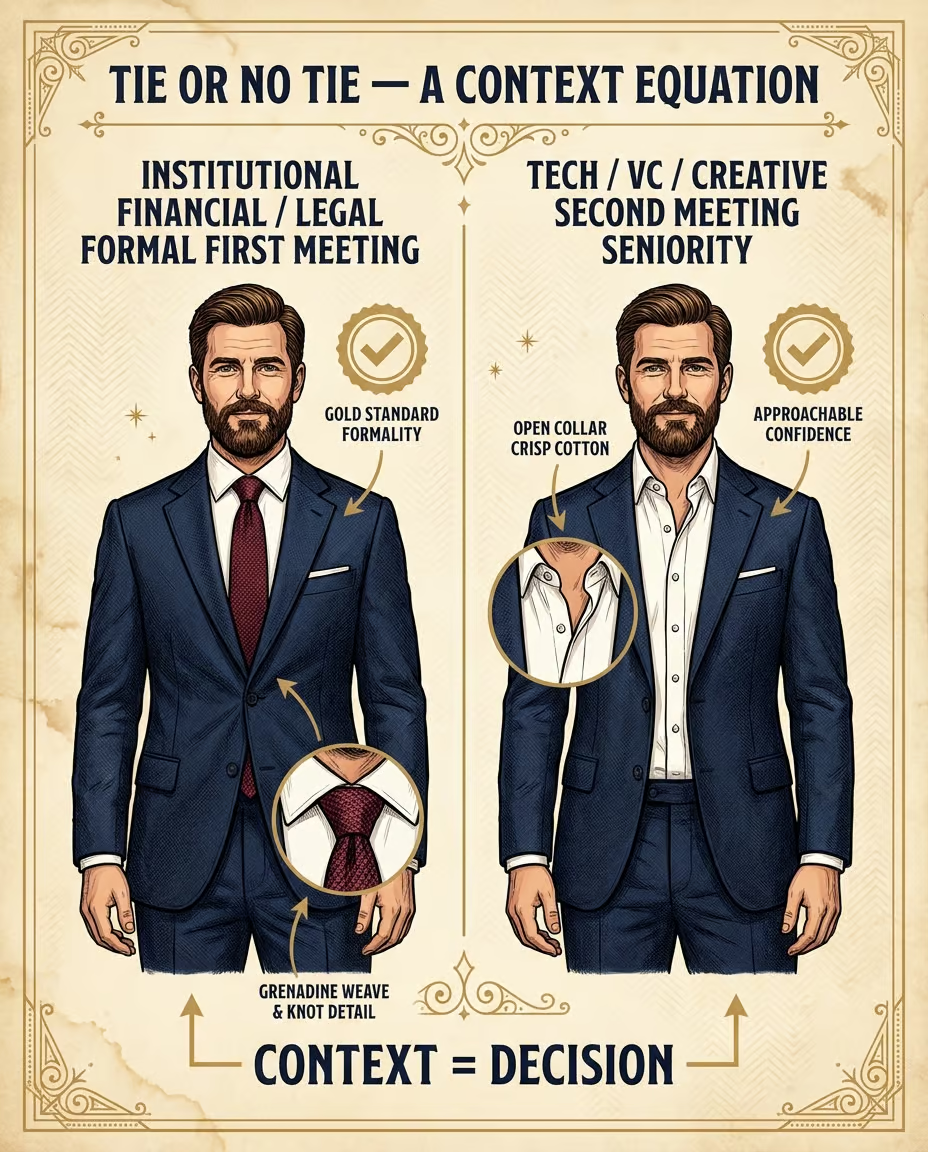
Tie = institutional, financial, legal, senior consulting, first formal client meeting. No tie = tech, VC, creative, second meeting, established seniority within the client’s organization.
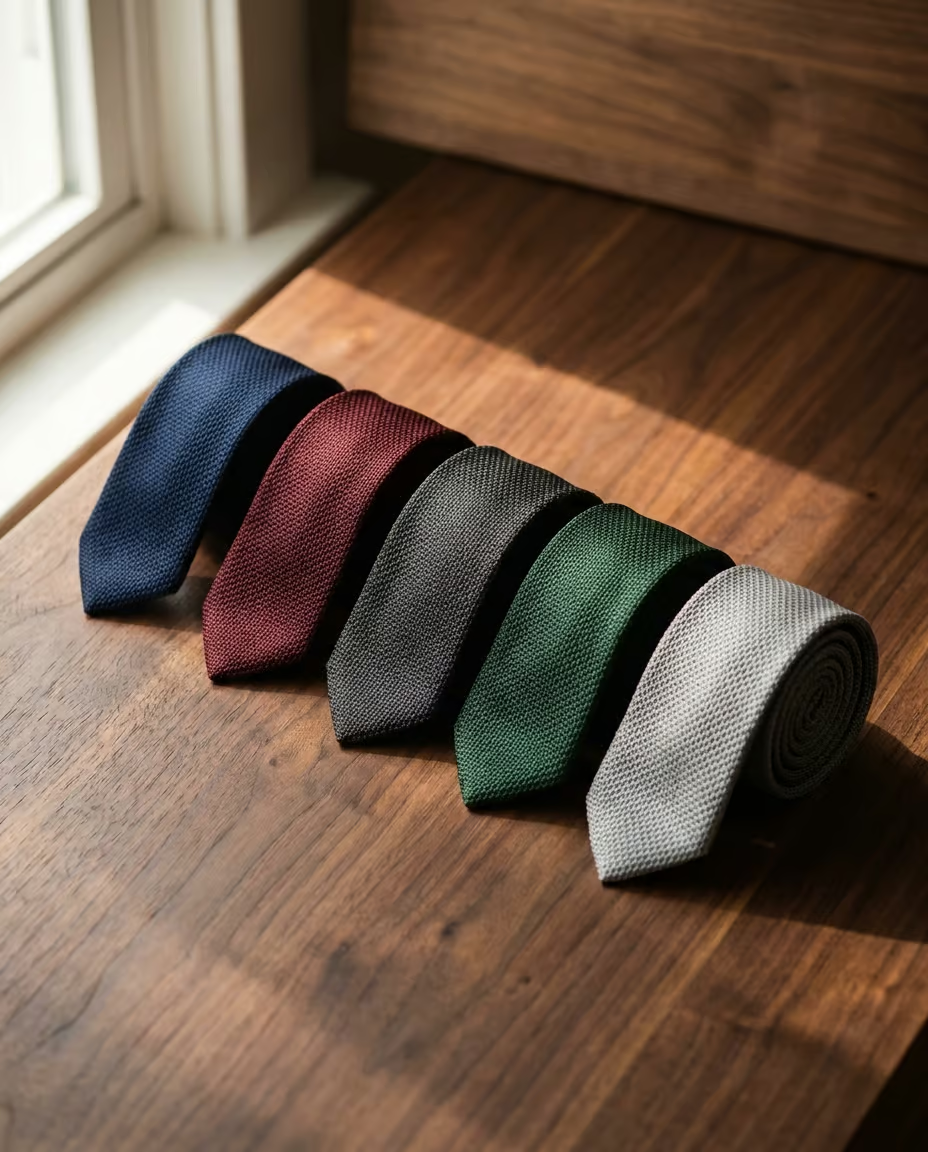
If tie: simple pattern (solid, club, micro-dot, discreet regimental). No wide or saturated patterns. Color in the burgundy / navy / pearl grey / forest green range. Bright red and yellow are risks you do not take on a closing day.
The chest pocket
Pocket square or not. Decision in ten seconds.
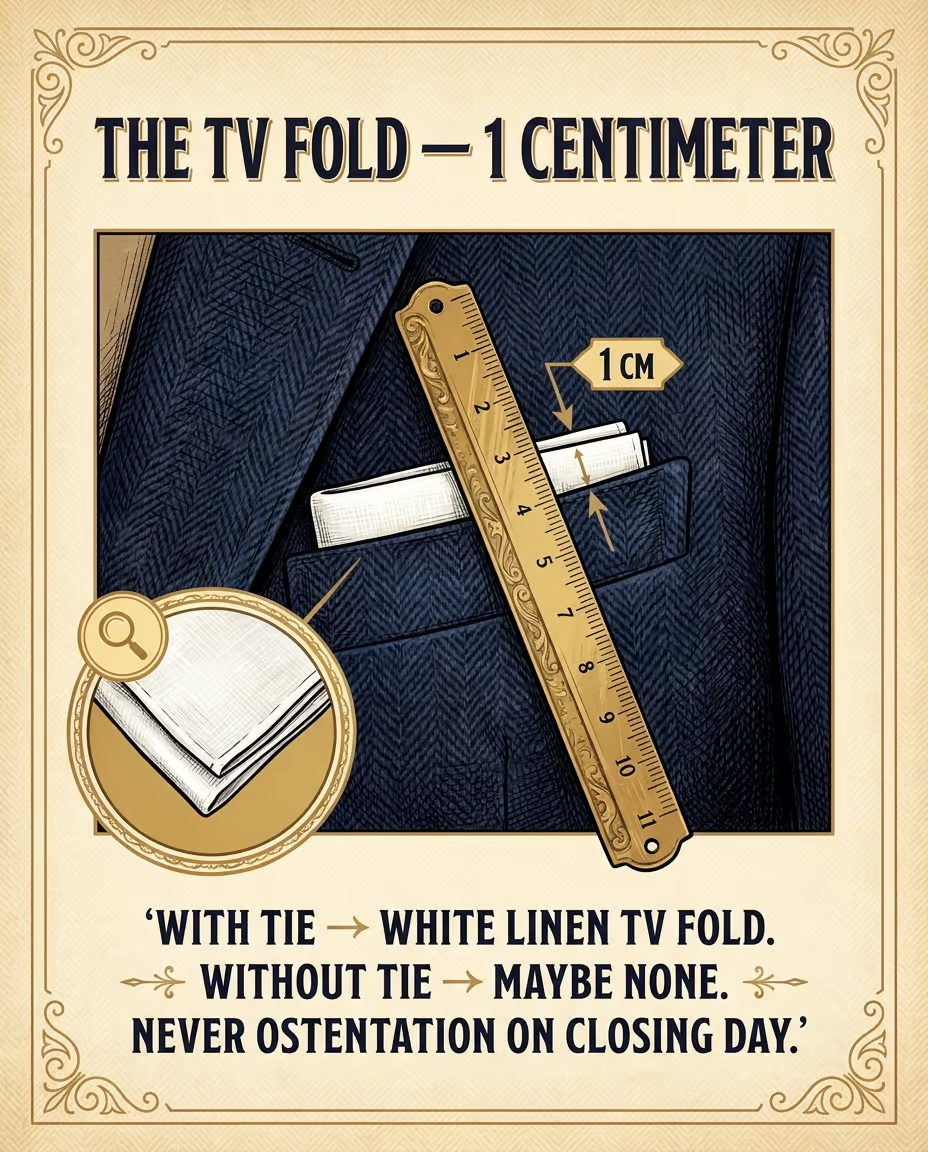
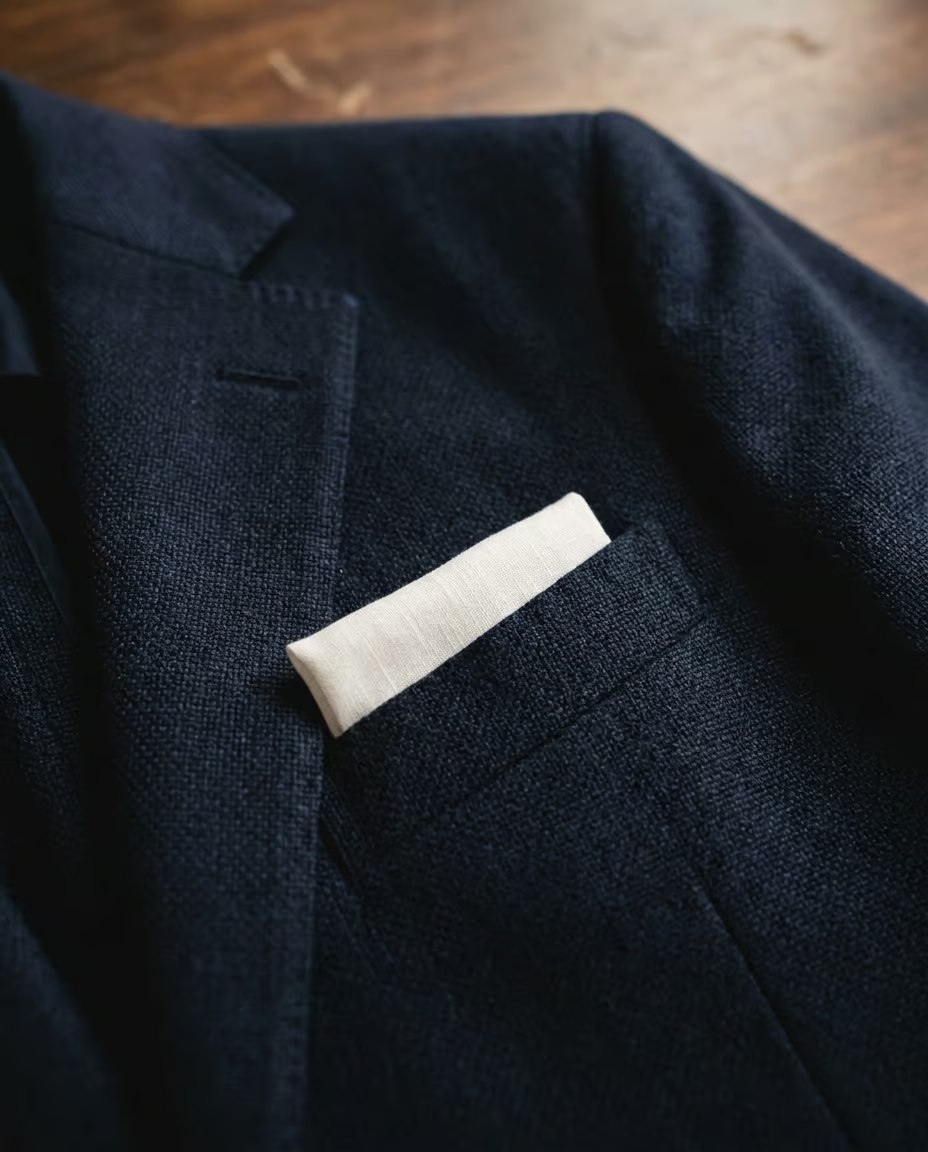
Suit + tie: discreet pocket square, white linen with TV fold, exposing one centimeter. Suit without tie: either a discreet square or nothing. Blazer: looser pocket square is fine. Sport jacket: optional.
Never an ostentatious silk square on closing day. That’s a risk for zero reward.
The watch and the ring
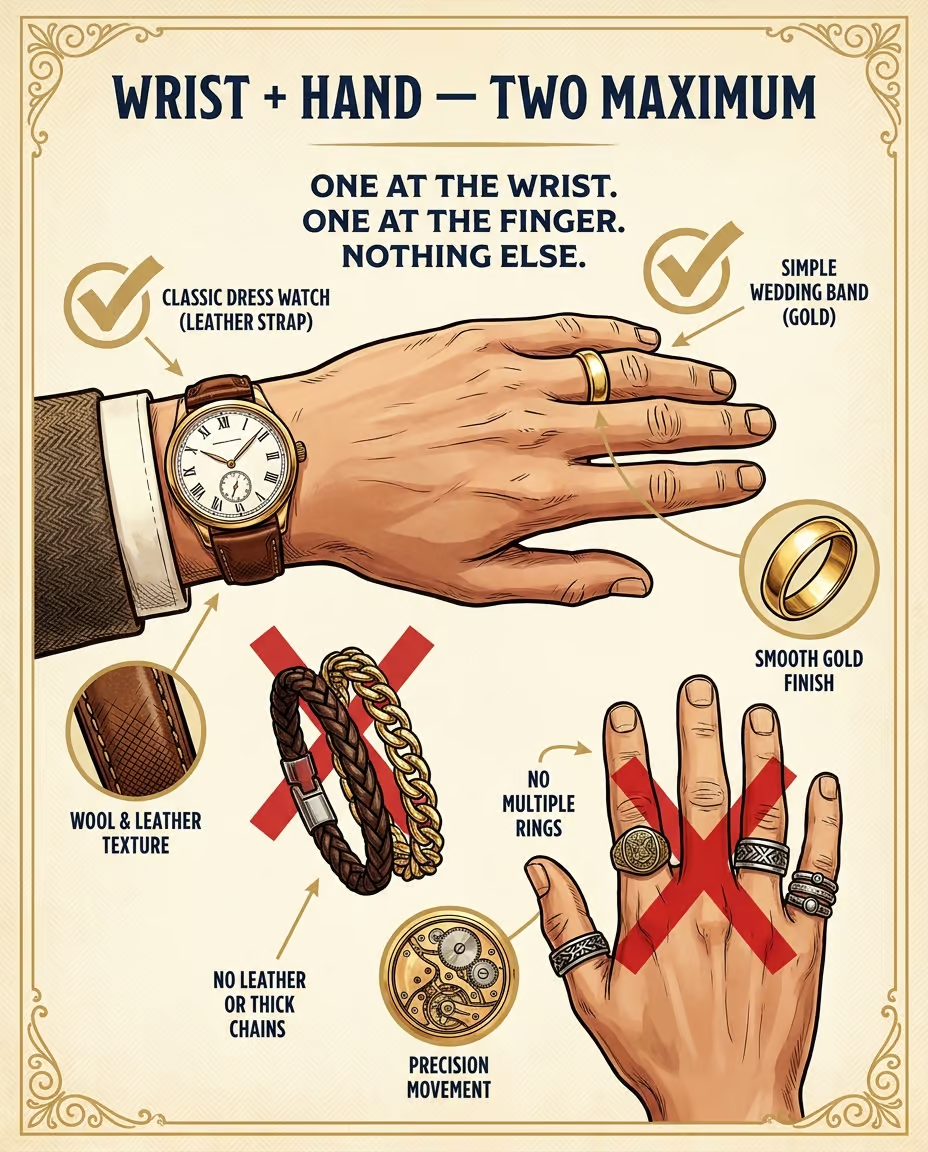
The last check is the wrist.
The watch must align with the dress code. A flashy racing chronograph clashes with a navy suit. A delicate dress watch clashes with a relaxed shirt and no jacket. Match the watch’s formality level to the outfit.
The ring should be clean. The hand is in the visual field throughout the handshake and the contract signature.
And no other jewelry. Bracelets, chains, multiple rings: remove. One accessory at the wrist, one at the finger. That’s the rule executives violate the most, and the most visible one.
The off-clock preparation
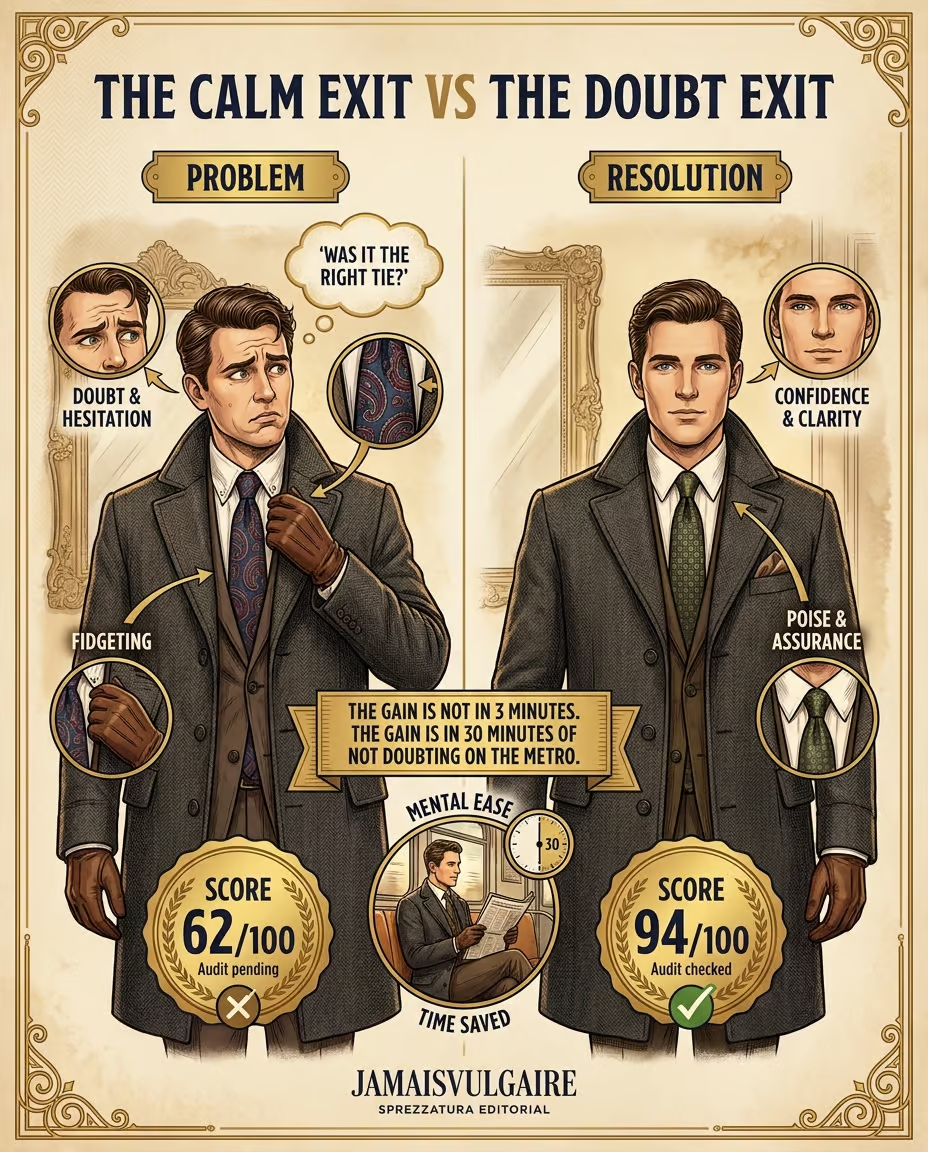
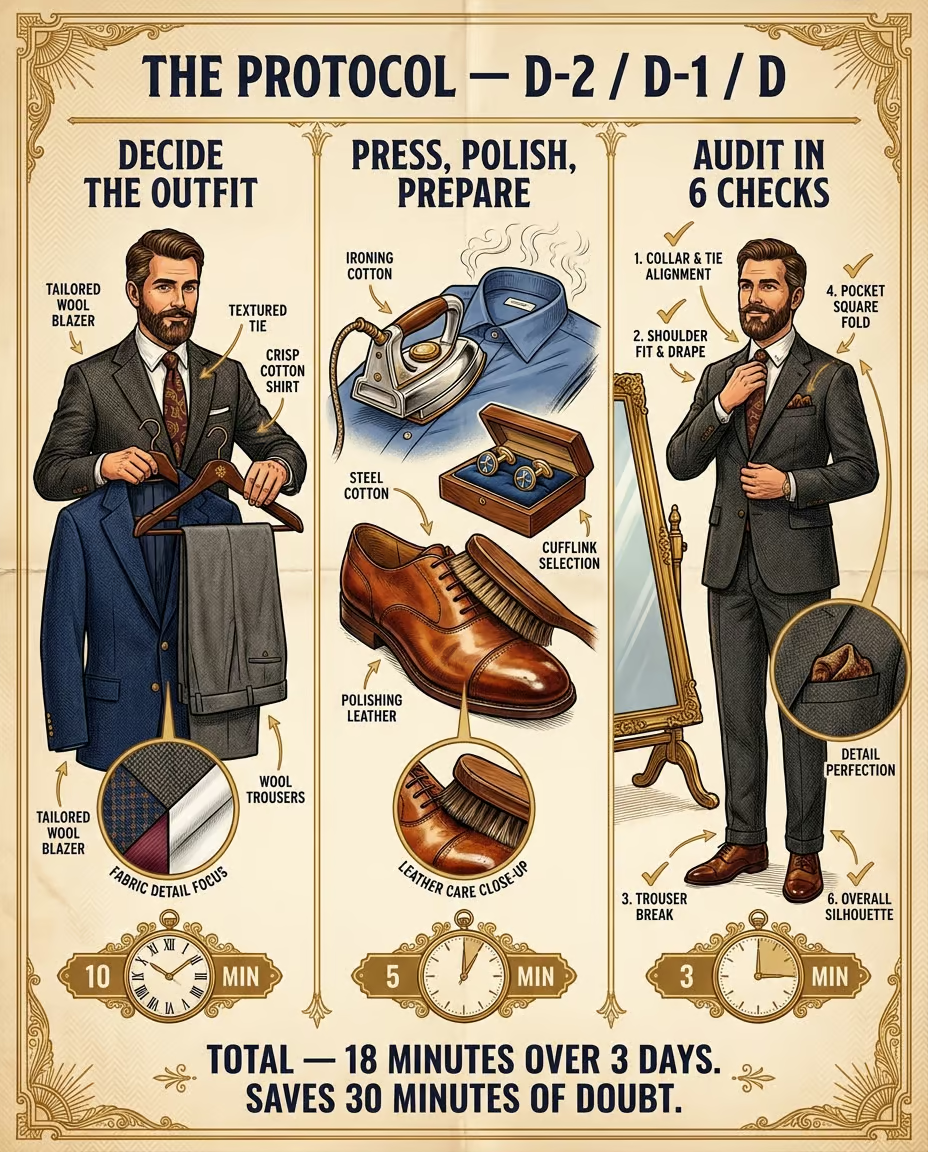
The three-minute morning audit only works if the prep happened. Here is the temporal breakdown.
Two days before, ten minutes. You know you have an important meeting in two days. Decide the outfit now. Not tomorrow. Not the morning of. Now. Pull the jacket, the shirt, the tie, the trouser, the shoes. Hang them on a dedicated hanger. Check for visible defects: stain, crease, missing button, unpolished shoe. Fix what can be fixed in ten minutes.
The day before, five minutes. Press the shirt if needed. Polish the shoes. Check that cufflinks are in place if the shirt is French-cuffed. Place the handkerchief and pocket square in the jacket pocket.
The morning, three minutes. You dress. You apply the six checks. You leave.
The win is not in the three minutes. It’s in the twenty minutes you don’t spend hesitating, panicking, changing twice, and leaving with a doubt. Those are the twenty minutes that separated a calm executive walking into the boardroom from one finishing his audit on the metro.
If your current wardrobe doesn’t contain, at minimum, a properly cut navy suit, polished black cap-toe Oxfords, and three white poplin shirts, your audit is meaningless. You’re correcting on sand. The method works when the inventory is solid. Otherwise it’s a symptoms audit. Build the pyramid first, then audit the daily outfit.
The Meeting Prep mode
The six-check protocol works if you actually do it. You won’t every morning. Not out of laziness. Out of cognitive load.
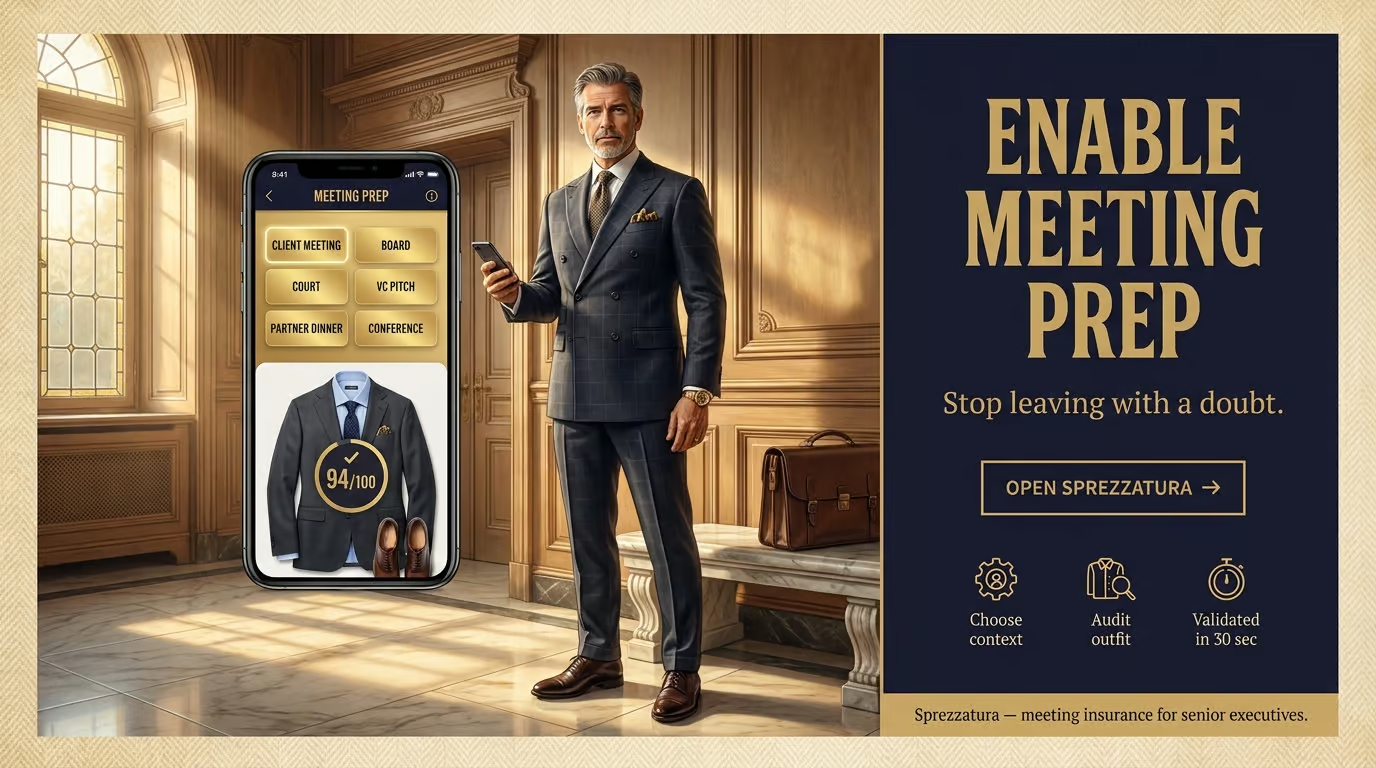
Sprezzatura offers a « Meeting Prep » mode that parameterizes the outfit by context (client meeting, board, VC pitch, partner dinner, conference) and proposes the optimal combination from your scanned wardrobe. The six-check audit is automatically applied to the output. You see the score, any red flags, and suggested adjustments.
You no longer leave with an unresolved doubt. You leave with an audit done for you.

Pour bien s'habiller, il faut comprendre le vêtement, mais aussi la marque et sa stratégie.
- Seiko Prospex PADI 60th Anniversary HBB002 : la plongeuse anniversaire reste sous les 800 $ - 08/06/2026
- Seiko Prospex PADI 60th Anniversary HBB002: Der Jubiläumstaucher bleibt unter 800 $ - 08/06/2026
- Seiko Prospex PADI 60th Anniversary HBB002: el buzo del aniversario se queda por debajo de los 800 dólares - 08/06/2026