

Sommaire

You don’t lose three minutes in the morning, you lose twenty
What takes time in the morning isn’t getting dressed. It’s hesitating. Pulling out a shirt, pulling out another, comparing, giving up, starting over with a trouser that doesn’t go with the first but would work with the second, provided you change the jacket, which means changing the shirt. And so on, until 7:52 a.m. when you walk out of the apartment with an outfit you haven’t really thought about, telling yourself you’ll redo the debate tomorrow anyway.
The problem isn’t in the mirror. It’s in the inventory.
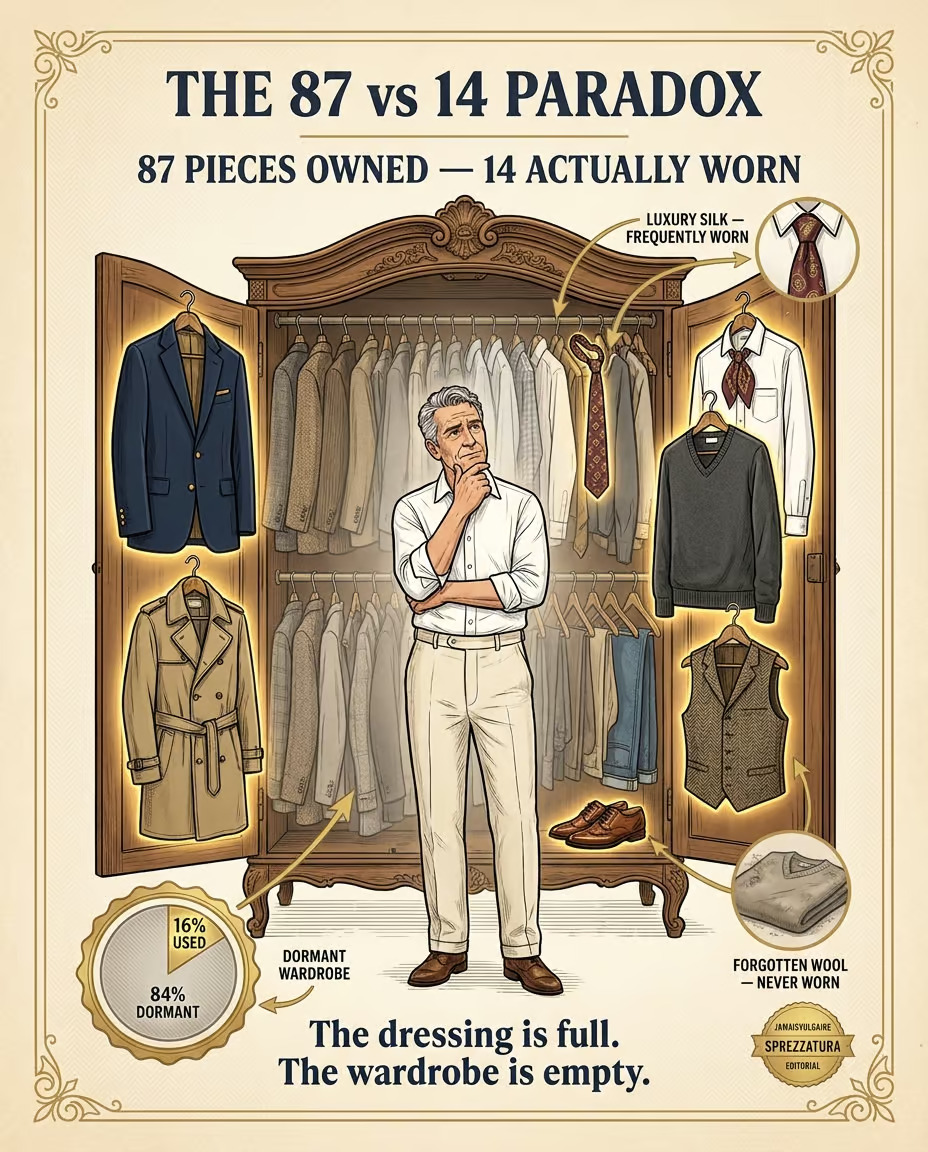
Most senior French executives have between 60 and 100 pieces in their dressing. They wear about fifteen. The rest is there for archaeological reasons (a Husbands blazer from 2018 they’re still proud of), meteorological reasons (the windbreaker worn three weekends in a row), or emotional ones (the washed-linen jacket bought in Florence one Tuesday in May, never worn in Paris because in Paris that jacket has no context).
This whole system works badly. It works badly because it wasn’t built. It accumulated.
The rule of thirty
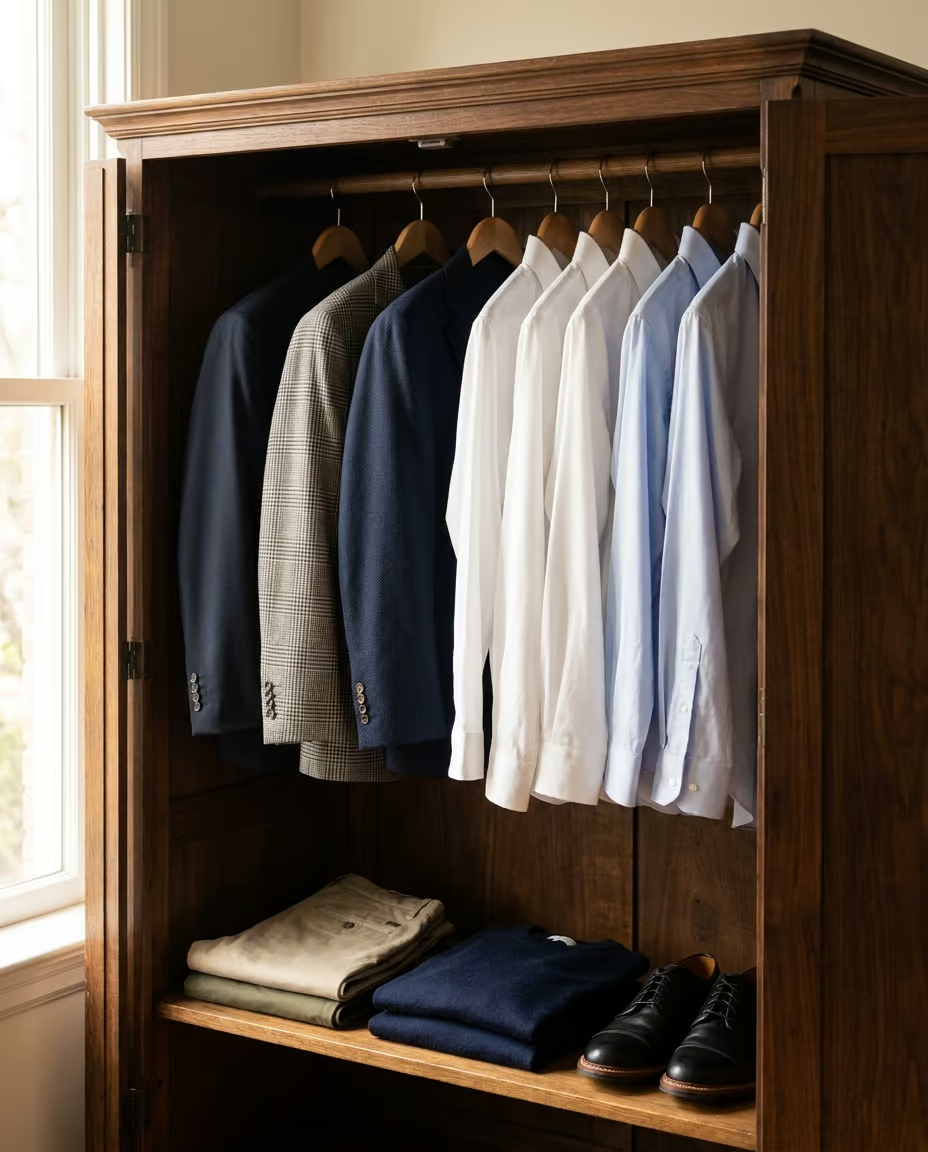
The idea behind what’s called the capsule wardrobe (a term cheapened by lifestyle blogs that turn it into a demonstration of voluntary poverty) isn’t to own less. It’s to own coherent.
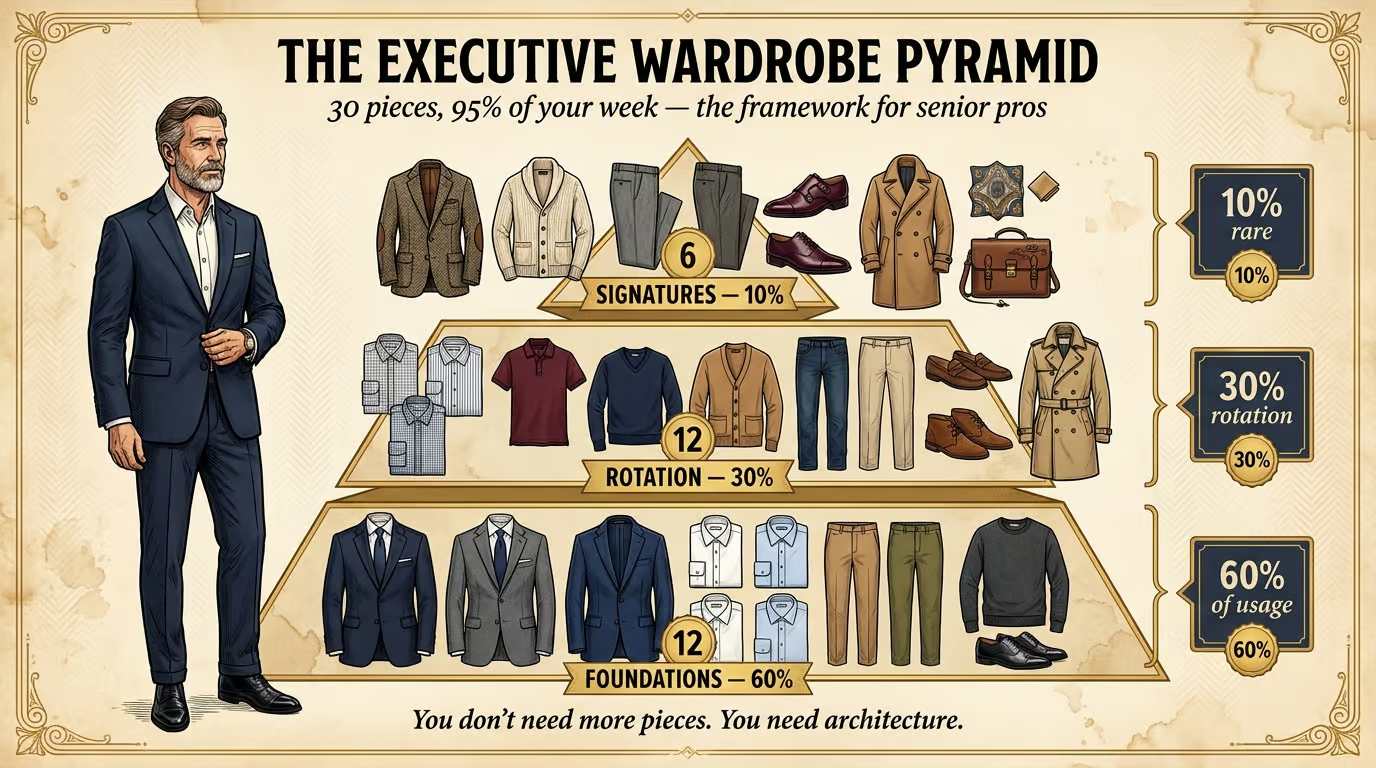
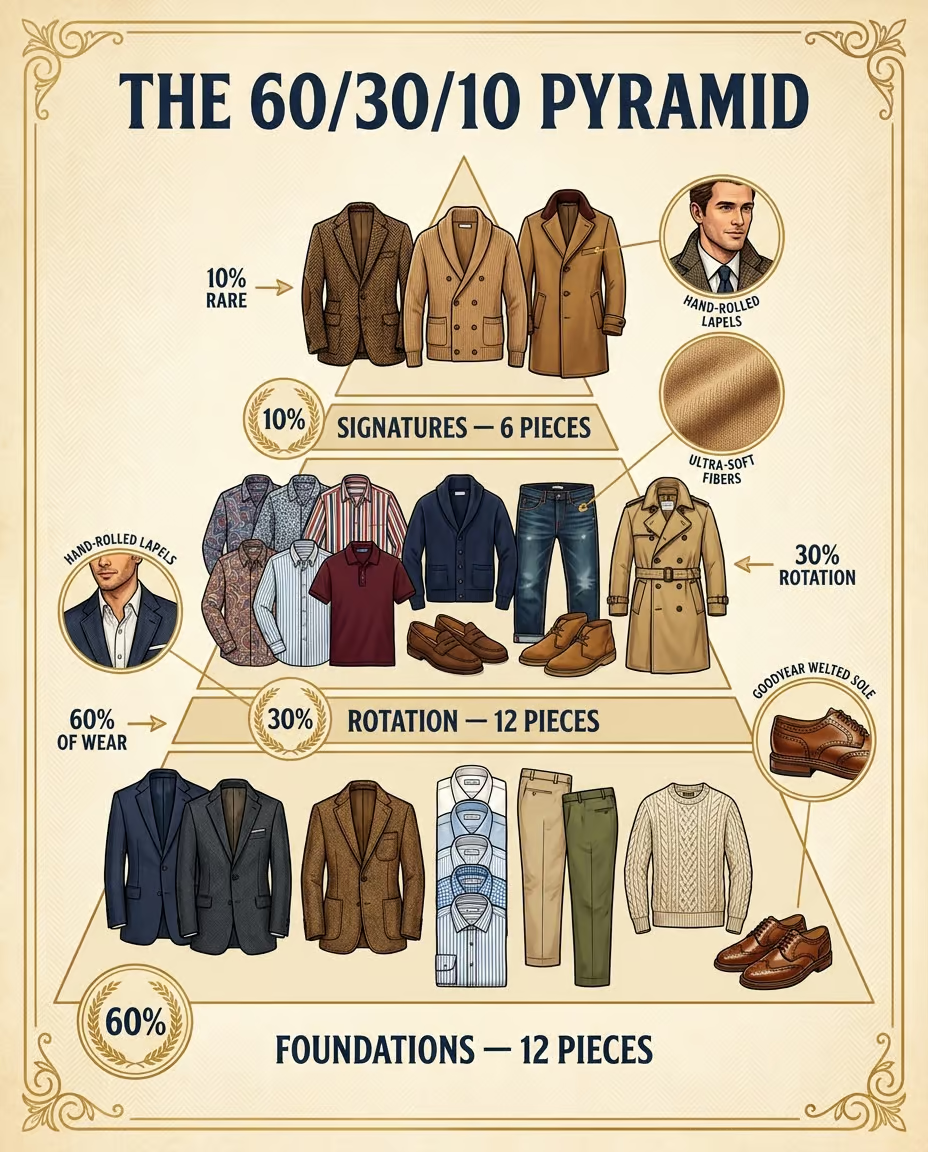
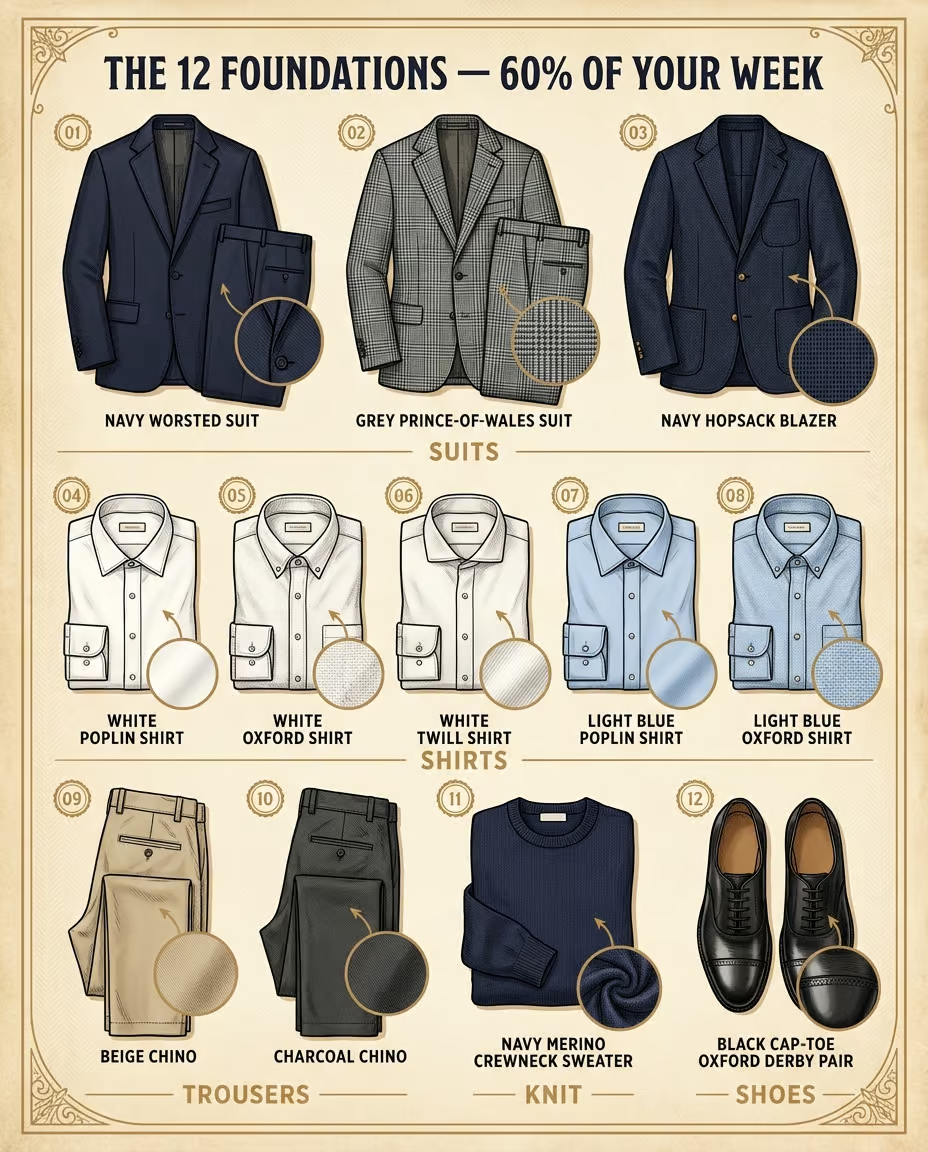
Thirty pieces are enough for a senior executive to cover 95% of his professional week, on the condition that those thirty are chosen as a pyramid.
Twelve foundations. The pieces you wear without thinking. Two suits (one navy, one dark grey or discreet prince of Wales). One blazer, navy or grey hopsack for non-suit days. Five shirts: three white (poplin, oxford, twill) and two pale blue. Two chinos: one light beige, one charcoal. One crewneck merino sweater, grey or navy. And only one pair of shoes at this level: black cap-toe Goodyear-welted Oxford derbies, which last fifteen years.
Twelve rotation pieces. They bring weekly variation. Three less formal shirts (fine stripe, chambray, piqué). One piqué cotton polo. One V-neck or shawl-collar cashmere sweater. One heavier merino cardigan. One straight-cut raw indigo jean. One linen-grège chino for warmer weather. One pair of loafers, one pair of chukka or jodhpur boots. And one trench, or a Mackintosh in gabardine.
Six signatures. One sport jacket in tweed or textured hopsack. One thick cashmere cardigan. One pair of grey flannel trousers. One evening shoe (cap-toe Oxfords, or suede ankle boots). One winter coat: camel polo coat, or navy Crombie. And one identity piece you choose for yourself: a saharienne, a double-breasted blazer, a rare trench. One.
You notice what’s happening. The thirty pieces combine because they share a grammar. Five colors maximum (navy, grey, white, beige, plus a fifth of your choice), three families of materials (wool, cotton, cashmere), a moderate formality level with breathing room toward both extremes.
Six rules, three of which nobody actually applies
One palette, not a constellation
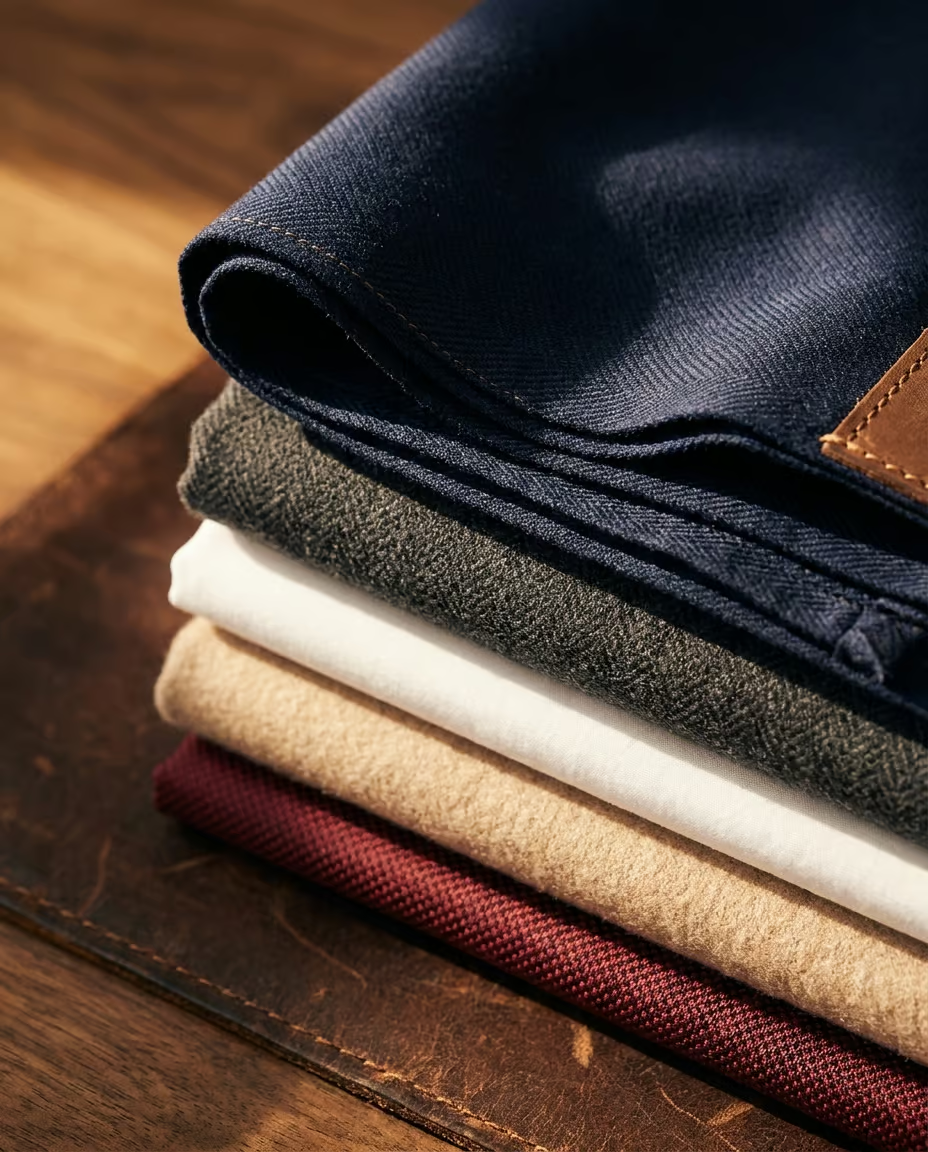
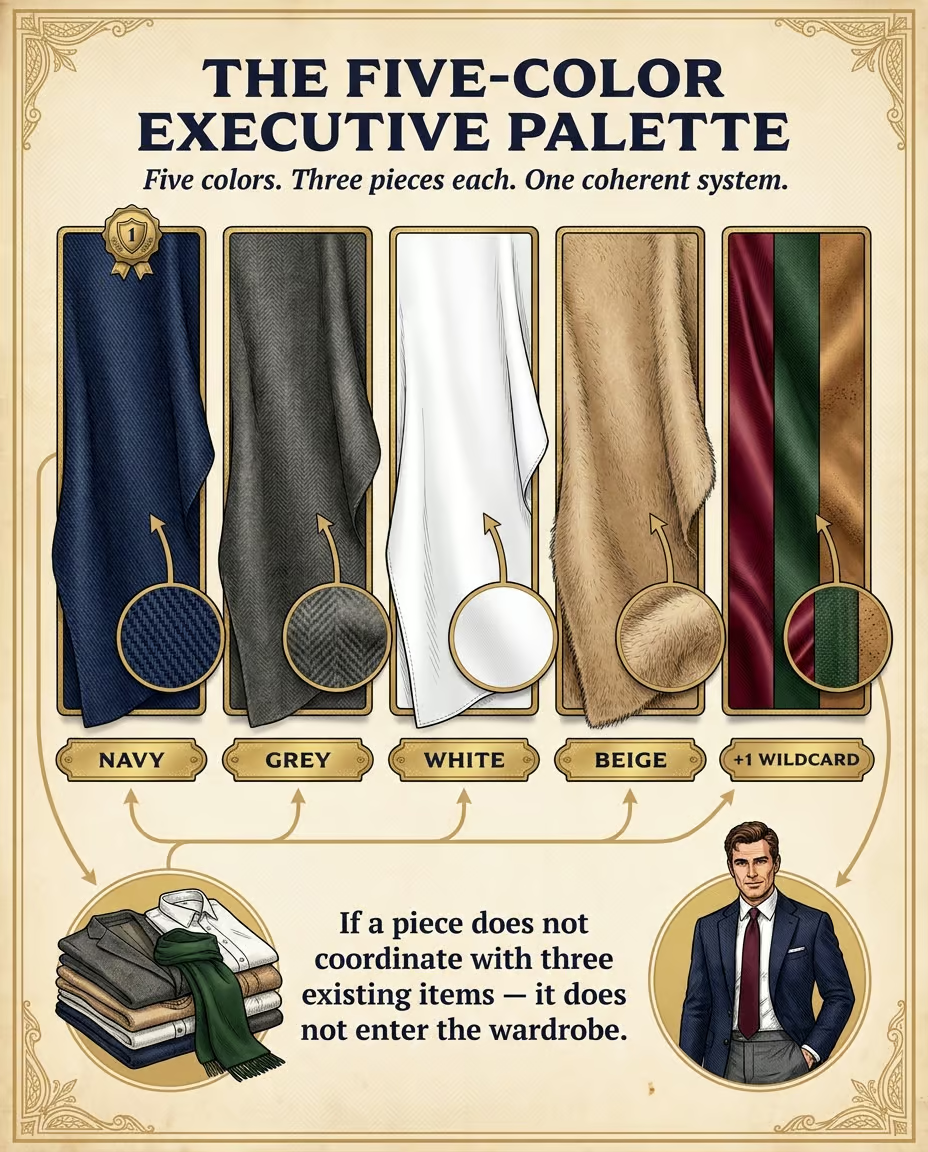
Navy, grey, white, beige, plus one color you choose and that doesn’t change. Burgundy for those with dark hair and warm complexion. Forest green for fair blondes. Camel for olive skin. That’s it.
If you buy a powder pink shirt that works with the grey suit but doesn’t match anything else in the dressing, you’ve created an orphan. The orphan will be worn three times a year. And it will occupy the same hanger as a piece that could have been worn thirty times.
One in, one out
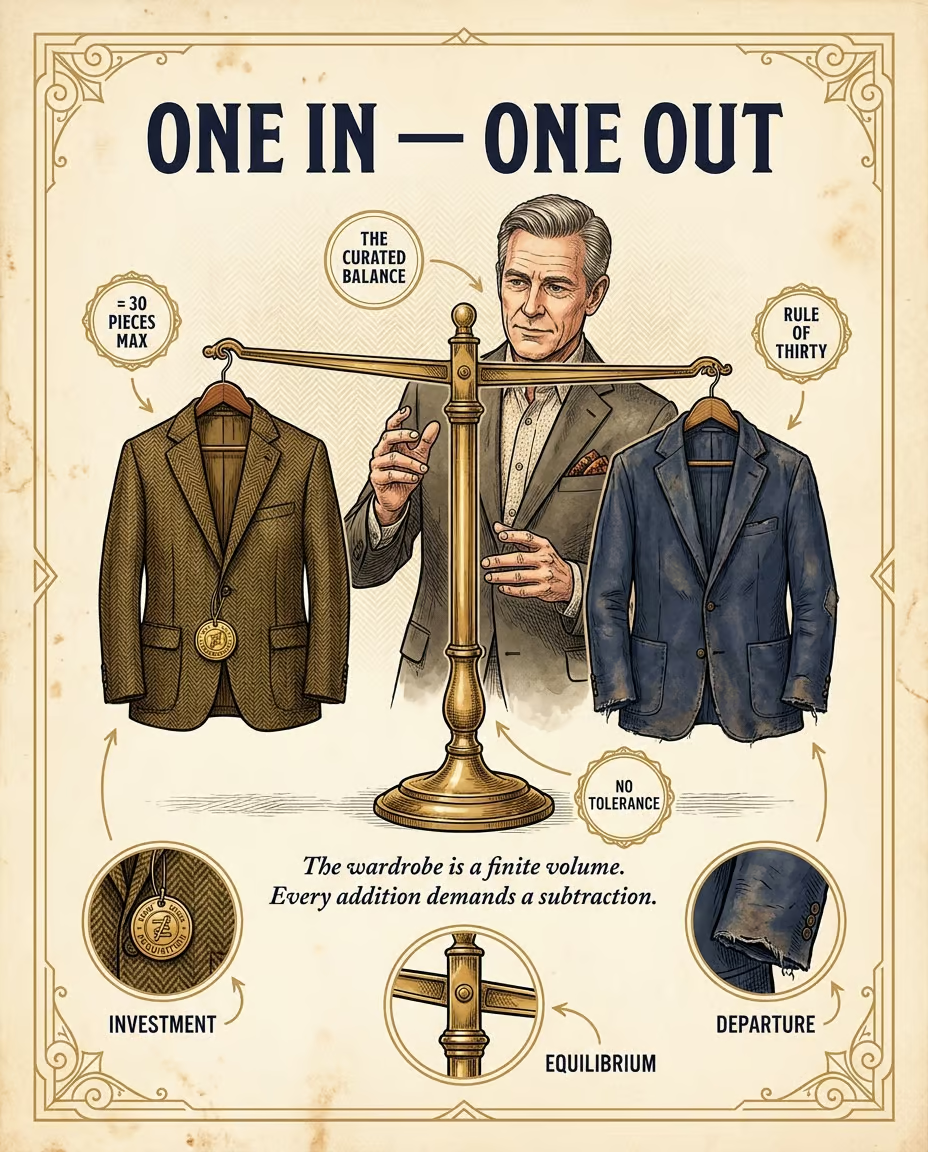
Once the pyramid is built, the dressing is a finite volume. Want a new tweed jacket? Another jacket comes out. Want a third pair of loafers? The most worn pair goes to the cobbler or to a donation pile.
This rule isn’t a moral posture. It’s an architectural one. Without it, the inventory drifts and you end up back at 87 pieces of which 14 are worn, the opening problem of this article.
The thirty-wear threshold
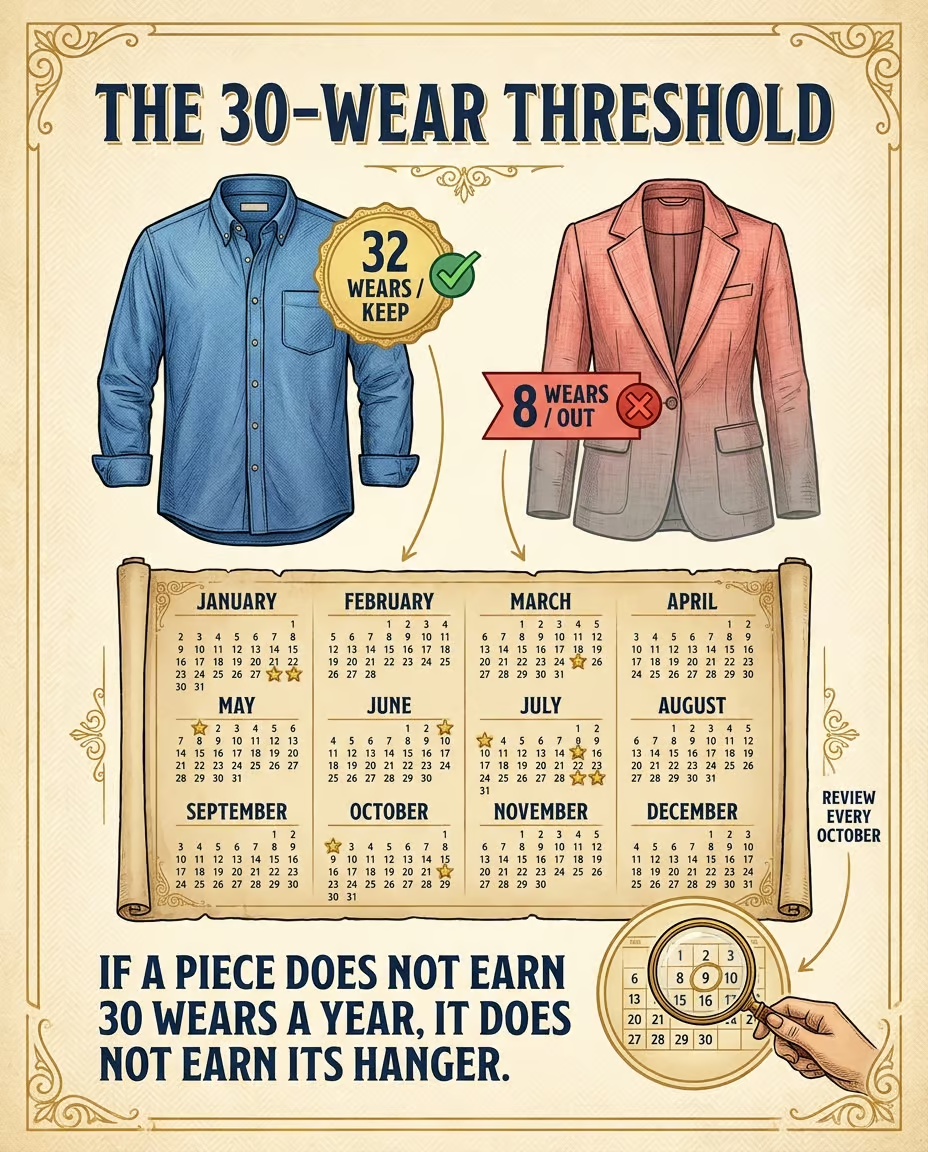
A piece that doesn’t reach thirty wears in a year (excluding ceremony pieces) doesn’t earn its hanger. Probably the most brutal and effective rule for cleaning out.
You think your camel cardigan is essential? Count it. If you wear it four times in March-April and then never again, that’s ten or twelve wears in the year, not thirty. It’s occupying the slot of a navy merino that could have been useful sixty times.
The quarterly review
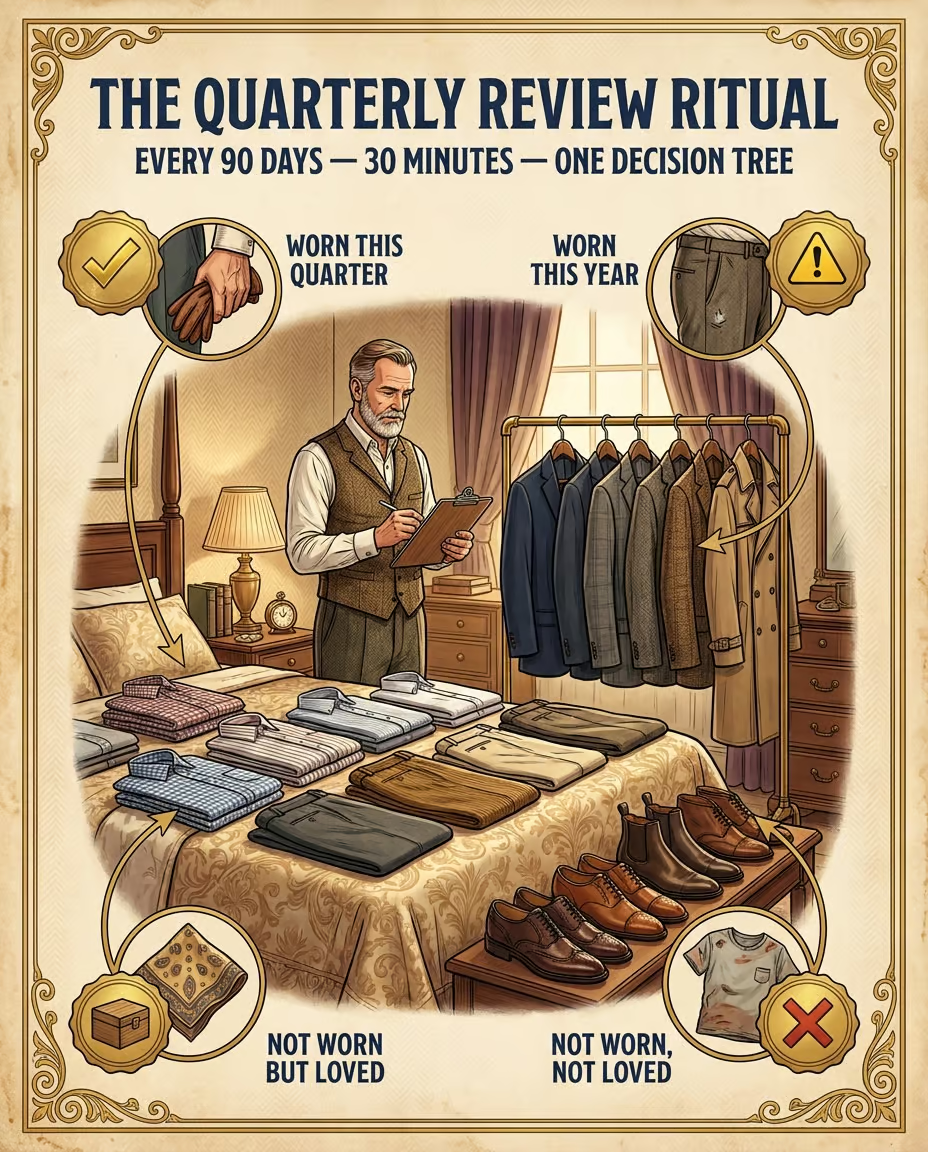
Every three months, pull the thirty pieces out onto the bed. Count. Identify what hasn’t been worn. Decide: alteration, consignment, or donation. The review takes thirty minutes per quarter. Over five years, it saves you three to five thousand euros of pointless purchases.
Probably the most effective rule, and the one nobody does. Probably because it requires ten minutes of moving hangers around, which for an executive who makes nine-figure decisions is strangely complicated to organize.
The forty-eight-hour rule

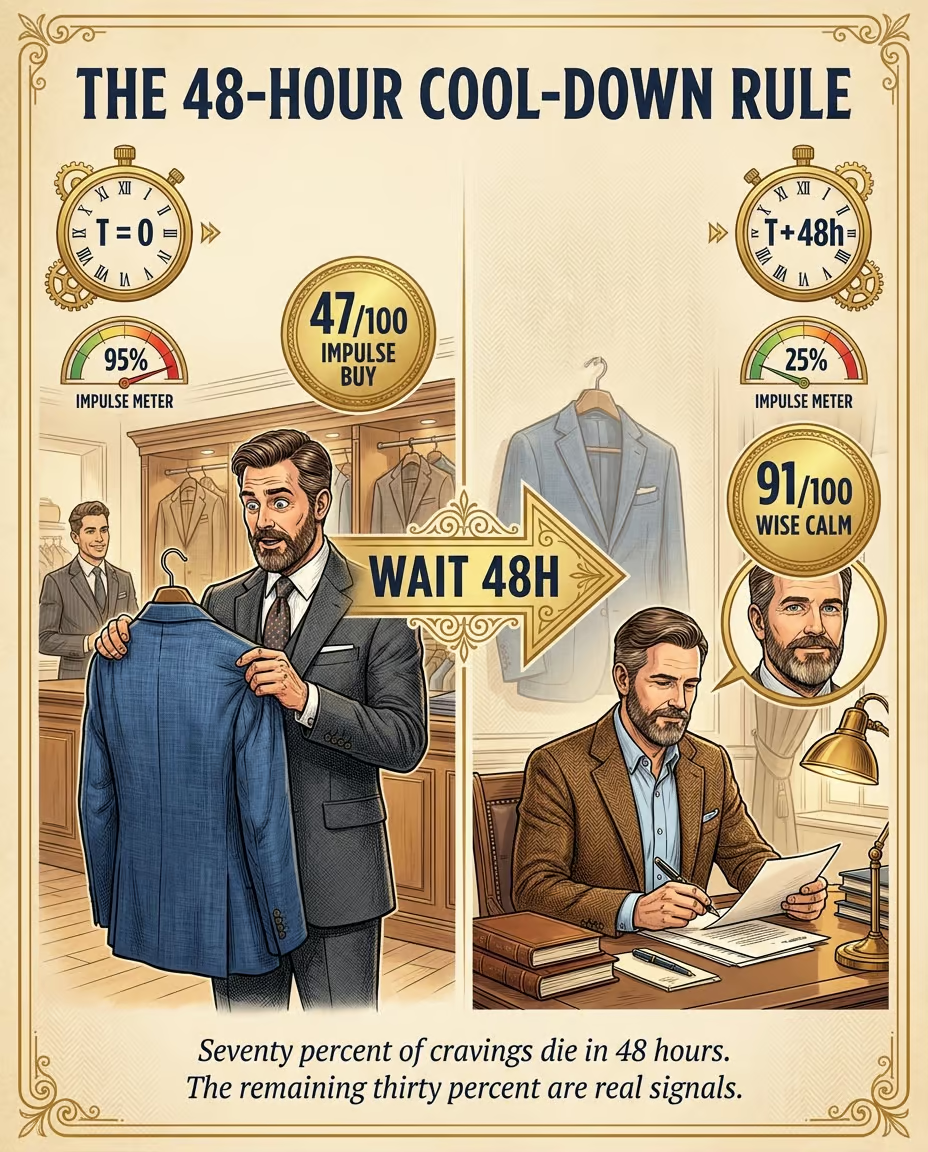
You see the jacket. You want it. You wait forty-eight hours before going back to buy it.
This rule has one purpose: neutralize the emotional purchase. Luxury marketing is calibrated to make you sign in the fifteen-minute window after the first try-on. The forty-eight-hour delay deflates 70% of cravings. The 30% that remain are the real buy signals.
It’s a simple rule. It will save you thousands of euros over the span of a career.
The sixth
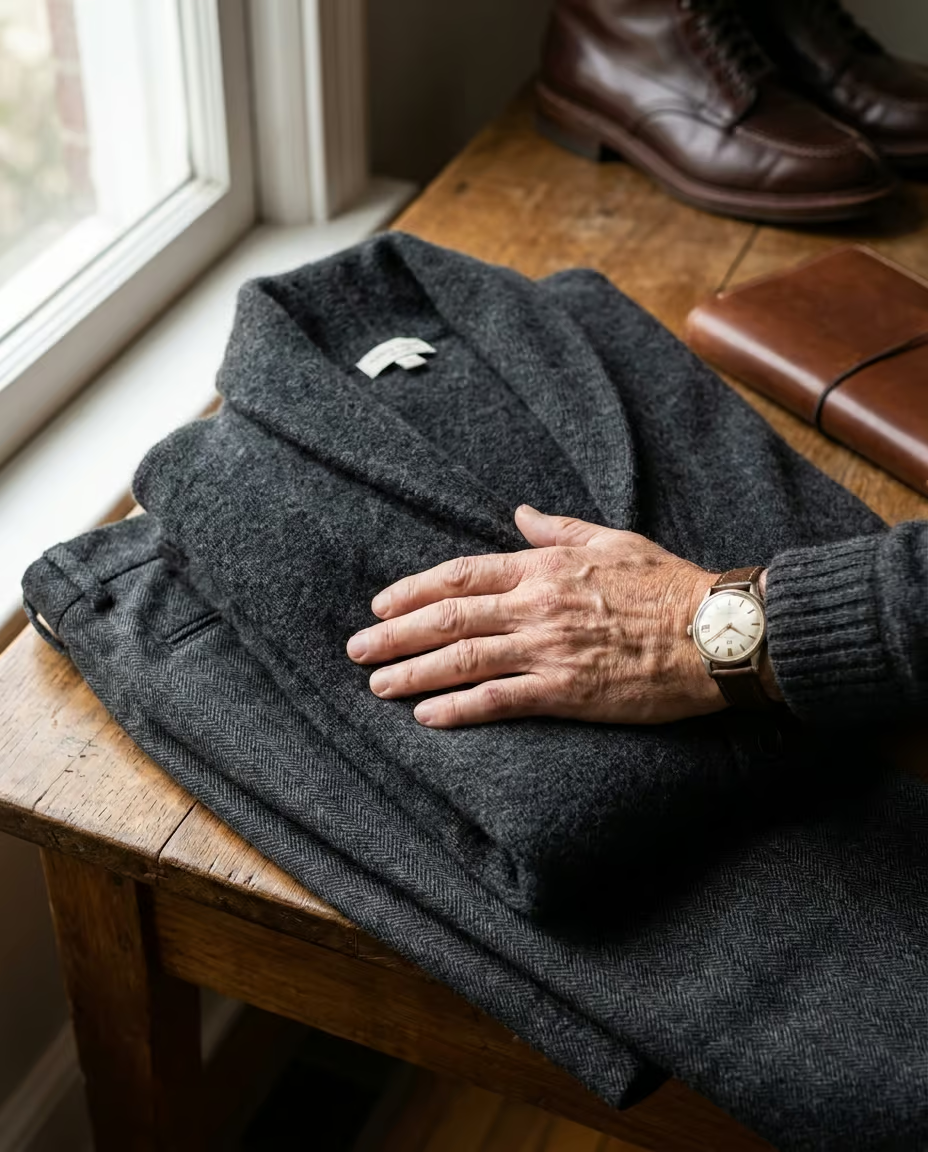
This one doesn’t reduce to a formula. Never buy a piece because a friend tells you it looks great on you. Ask yourself where you’ll wear it. With what. For whom. If you can’t answer all three questions, don’t take it.
The third party’s opinion is a false signal. It flatters. It doesn’t project the use.
The weekend method
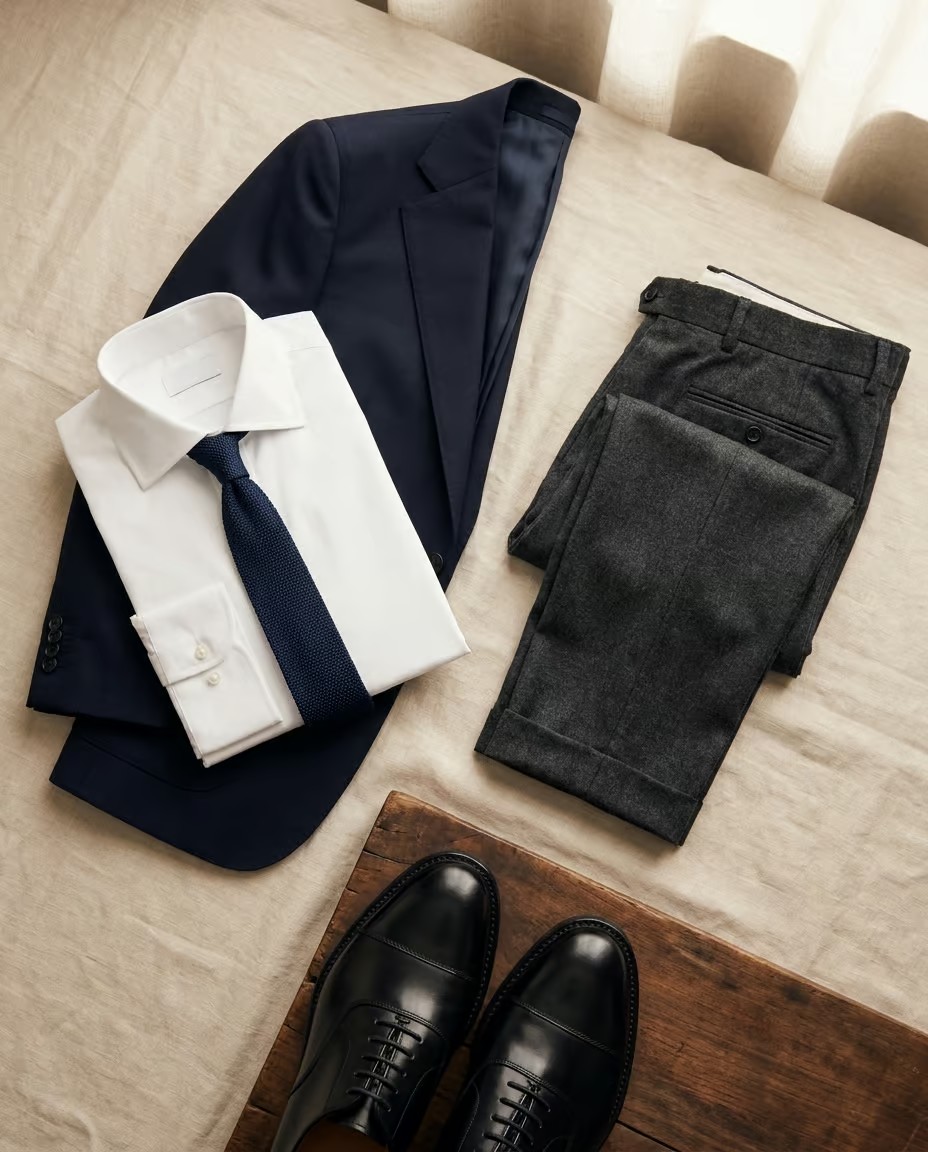
If you want to migrate from your current dressing to the pyramid, here’s the concrete sequence. Not an hour. Not a morning. An entire weekend, during which you pull pieces, sort, and decide.
Pull everything. Every piece in the dressing, the sweater drawer, the back of the closet where the wedding jacket from your cousin’s 2012 ceremony lives. On the bed, on the floor, everywhere. Total visualization is the first act of discipline.
Sort into four piles. Pile 1: worn in the last 90 days. Pile 2: worn in the last 12 months. Pile 3: not worn in 12 months but loved. Pile 4: not worn, no longer loved.
Pile 4 leaves the same day. Not tomorrow. Today. Online consignment, Paris consignment shops (Bernardin Resells, or Ressources Vintage on rue de Buci for serious menswear), or donation. You don’t put anything back. Non-negotiable.
Pile 3 goes into a sealed box, in the cellar or guest room. Date written on the box: if in six months you haven’t opened the box to actively look for a piece, the entire box leaves without being reopened. Promise. Sworn, if you can.
Piles 1 and 2 serve to rebuild the pyramid. You identify the foundations that are there, the ones missing, and you build a shopping list. Six pieces maximum, to acquire over the next six months, never in a single trip.
This last constraint is essential. Buying six pieces on the same Saturday guarantees they’ll be less well-chosen than six pieces bought one at a time, with thinking in between, with testing, with adjustment.
The audit you’ll never do by hand
There’s a reason why few men do the quarterly review. Counting thirty pieces, remembering wear data from three months, cross-referencing with colors and compatibilities: it’s a memory and data-crossing job that exceeds what one wants to do on a Sunday afternoon.
That’s exactly what the Sprezzatura wardrobe scanner does, in twenty minutes, without taxing your memory. You photograph each piece once, the algorithm analyzes cut, color, material, polyvalence. It computes compatibilities, identifies underused pieces, and lists the three pieces that genuinely missing from your pyramid for it to work better. Not a generic wishlist. The delta between what you have and what you should have, in your specific case.
The tool doesn’t decide for you. It gives you the map. You keep the call, but you make it looking at data instead of looking at a full closet.
You don’t need more pieces. You need to understand the ones you have. That’s what this tool does, in twenty minutes, without judgment and without making Pinterest more depressing than it already is.

Pour bien s'habiller, il faut comprendre le vêtement, mais aussi la marque et sa stratégie.
- Seiko Prospex PADI 60th Anniversary HBB002 : la plongeuse anniversaire reste sous les 800 $ - 08/06/2026
- Seiko Prospex PADI 60th Anniversary HBB002: Der Jubiläumstaucher bleibt unter 800 $ - 08/06/2026
- Seiko Prospex PADI 60th Anniversary HBB002: el buzo del aniversario se queda por debajo de los 800 dólares - 08/06/2026